Beyond the Bar: Why the LGBTQ Plus Community Is Going Sober This Pride
The glitter still lands. The bass still drops. The queens still read you for filth with perfect timing. But something is different at Pride this year, and it is not the parade route or the party playlist. It is the cup in your hand. Across the country, a growing wave of the LGBTQ plus community is celebrating without alcohol, and the drag performers leading the way are living proof of a simple truth: sobriety is not a drag. LGBTQ sober Pride is not Pride with something missing. It is Pride with nothing in the way.
I am not queer, so I will not pretend to fully understand the weight of what bars have meant to this community. For decades, they were the only safe spaces. The only rooms where you could hold someone's hand without calculating the risk. The only establishments that welcomed you when others legally refused. The history is real, and the alcohol was baked into that sanctuary.
But sanctuary came with a cost. And now, a generation of queer people are asking whether they can keep the community without keeping the dependency.
The Numbers Tell a Hard Story
Here is the context that makes LGBTQ sober Pride more than a lifestyle trend. According to SAMHSA's 2015 National Survey on Drug Use and Health, sexual minority adults experience substance use disorders at nearly twice the rate of heterosexual adults. That gap is not accidental. It is structural.
Did you know? LGBTQ adults experience substance use disorders at rates nearly double those of their heterosexual peers, according to federal health data.
Research on minority stress and alcohol use shows that the daily weight of discrimination, rejection, and vigilance drives higher rates of problematic drinking in LGBTQ populations. This is not weakness. This is what happens when your nervous system has been running threat detection since adolescence.
And the places that offered relief made the problem worse. A study published in the Journal of Studies on Alcohol and Drugs documented what researchers call the bar's central role in LGBTQ social life, showing a direct correlation between venue based drinking and problematic alcohol use among sexual minority women. The safest space was also the riskiest one.

Photo by Valentin Ilas
So when queer people today ask whether they can have fun at Pride sober, they are not being dramatic. They are asking whether they can finally separate community from dependency. Whether they can keep the celebration without the cost.
The answer, increasingly, is yes.
The Queens Who Changed the Conversation
Jinkx Monsoon celebrated a decade of sobriety while winning back to back seasons of RuPaul's Drag Race All Stars. Read that again. The most dominant competitive run in the show's history came from someone who does not drink. Jinkx has been open about their recovery, discussing it in interviews without drama or self pity. They simply do the work, and the work speaks.
Sobriety is not the absence of the party. It is a different kind of spotlight, and queer joy does not require a drink.
Bob the Drag Queen, winner of Season 8, has spoken publicly about their journey with sobriety, approaching the topic with the same unflinching honesty they bring to everything else. Bob reminds us that recovery is ongoing. It is not a medal you earn once. It is a daily practice, and some days are harder than others.
What these performers share is not a formula. It is a reframe. They prove that being fierce, funny, and fabulous does not require a substance. The talent was always theirs. Sobriety just gave them clearer access to it.
I think about my own five years of sobriety and how long I believed the lie that I needed alcohol to be interesting. To be funny. To be present at a party. The lie was convincing because everyone around me seemed to believe it too. When I finally stopped, I did not become boring. I became available. To conversations I could remember. To mornings I could use. To a version of myself I had been drowning for years.
The Industry Knows What It Is Doing
This is not paranoia. The alcohol industry spends millions annually marketing specifically to LGBTQ consumers. Pride sponsorships, rainbow branded bottles, targeted advertising that positions drinking as essential to queer celebration. They studied the community's need for belonging and monetized it.
Choosing sober Pride is not just a personal wellness decision. It is an act of community resistance. It says: you do not get to profit from our pain anymore.
Alcohol brands invest disproportionately in LGBTQ targeted marketing, particularly during Pride season.
The good news is that the community is building alternatives faster than the industry can adapt. Alcohol free gay bars are emerging in major cities. Sober Pride events draw thousands. The infrastructure of queer joy without alcohol is no longer theoretical. It is real, and it is growing.
Where to Find Your People
If you are asking where to find sober Pride events near you, the answer keeps getting better. Major cities including Denver, Los Angeles, and New York now host dedicated alcohol free celebrations that barely existed five years ago. Trail hikes, dance parties without booze, recovery focused community gatherings during Pride month.
Organizations like Sober Outdoors are creating space where recovery and community intersect, including events specifically designed to welcome LGBTQ members. The premise is simple: nature does not require a drink. Neither does belonging.
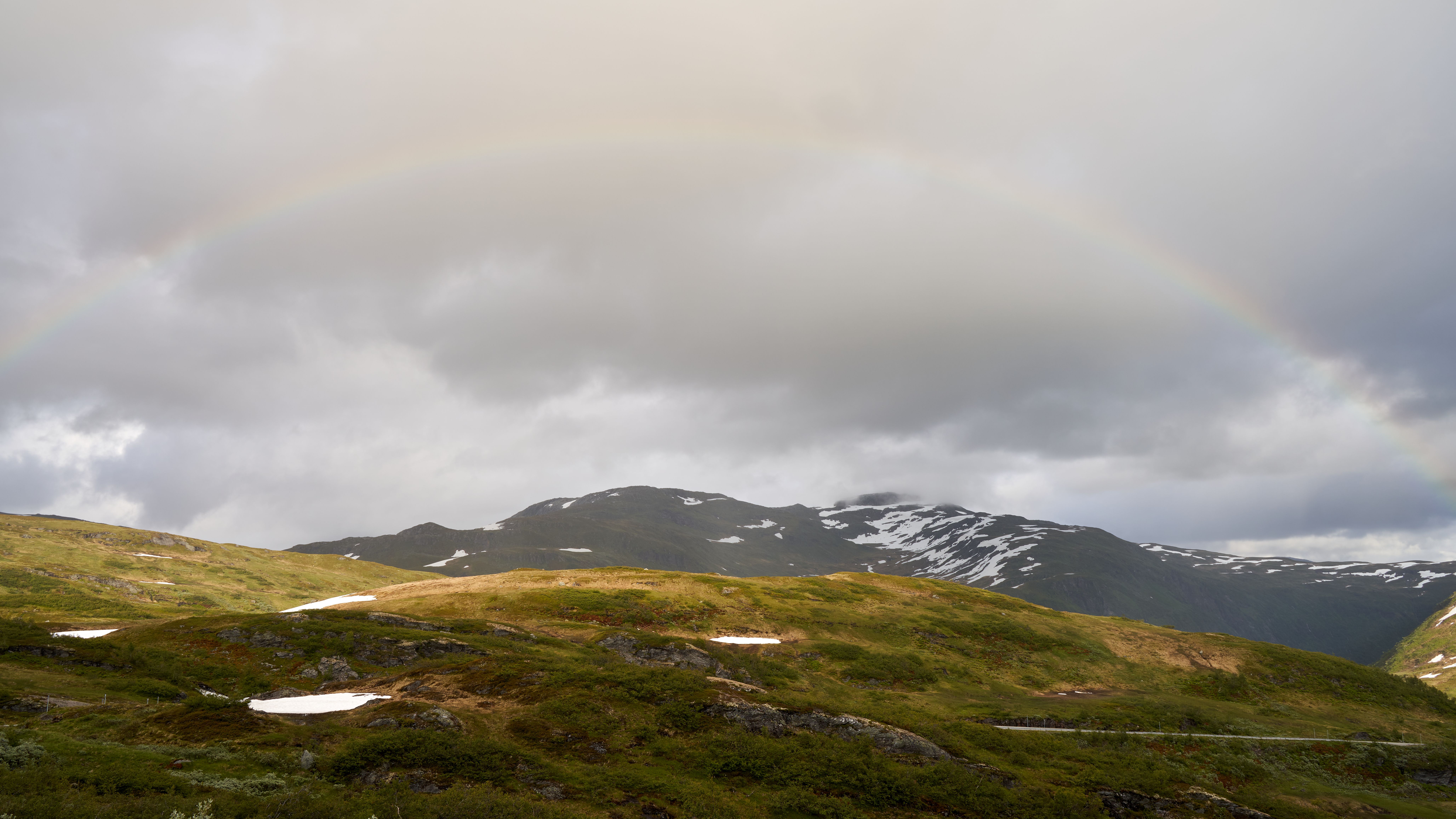
Photo by Barnabas Davoti
LGBTQ sober community groups are proliferating online and in person. The isolation that once made bar culture feel mandatory is dissolving as queer people in recovery find each other through social media, apps, and events designed specifically for them. The question has shifted from whether sober Pride is possible to which sober Pride event fits your vibe.
Why Nature Matters More Than You Think
Here is where my world and this conversation intersect. Research published in Annals of Behavioral Medicine found that access to outdoor recreational spaces is linked to improved mental health outcomes among LGBTQ adults, and the benefit may be even greater than for the general population. Green space does something for marginalized communities that goes beyond fresh air. It offers a kind of restoration that does not require explanation or performance.
The safest space was also the riskiest one. Now, a generation of queer people are asking whether they can keep the community without keeping the dependency.
Sober outdoor Pride activities, whether a sunrise hike, a kayak outing, or a picnic in a park, combine two forms of healing. They remove the substance and add the environment. I have written before about how morning trail runs rewired my recovery, and the principle applies across identities. Movement through nature changes the channel in your brain. It interrupts the loop of craving. It gives you something to do with your body that is not destructive.
If you are sober curious and queer, consider making your Pride celebration green as well as rainbow. The research supports it. So does lived experience.
Recovery Capital and Queer Community
Researchers use the term recovery capital to describe the resources, relationships, and environments that support sustained sobriety. A qualitative study on recovery in LGBTQ populations found that affirming community spaces are not just nice to have. They are essential. When your support network understands your identity, your recovery is more likely to stick.
This is why alcohol free LGBTQ spaces matter so much. Traditional recovery meetings can feel alienating for queer people, especially when the room skews straight and the stories do not reflect their experience. Finding recovery community that gets both parts of who you are makes a difference that is hard to overstate.
Groups like LGBTQ AA, Queer Sober Social, and countless local organizations are building this infrastructure. So are platforms like Sober Outdoors, which centers recovery without centering any single identity. The work is ongoing. More hands are always welcome.

Photo by KoolShooters
How to Celebrate Pride Without Drinking
Here is the practical section. If you are asking how to celebrate Pride without drinking, you are asking the right question. The answer is not one size fits all, but some strategies work better than others.
First, decide before you go. Do not wait until you are in the moment with pressure building. Make the choice in your kitchen, ideally out loud to someone who will hold you accountable. The decision made in advance is stronger than the decision made under fire.
Second, bring your own drinks. Mocktails, sparkling water, kombucha, whatever keeps your hands occupied and your brain off the absence. I keep a water bottle with me at all times, partly for hydration and partly because it gives me something to do in social situations. The ritual matters.
Third, have an exit plan. Not because you will need to flee, but because knowing you can leave reduces the stakes. When escape is available, staying becomes a choice instead of a trap.
Fourth, find your people early. If you are going to a large Pride event, connect with the sober contingent beforehand. Walk together. Dance together. Having even one person who is not drinking changes the dynamic completely.
Fifth, schedule something for the morning after. A hike. A brunch. A commitment that requires you to wake up functional. One of the best parts of sobriety is mornings, and protecting that resource gives you something to look forward to.
I wrote about preparing for your first sober outdoor adventure and most of the principles transfer. The point is the same: set yourself up for success by making good choices easier than bad ones.
The Reframe That Changes Everything
Sober Pride is not Pride with something missing. It is Pride with nothing in the way.
The joy is not diminished. It is clarified. The connections are not diluted. They are sharpened. The celebration is not quieter. It is truer.
I think about all the Pride events I attended in my drinking years. I remember costumes. I remember crowds. I remember the general shape of the day. But I do not remember conversations. I do not remember faces. I do not remember leaving.
Sobriety gives you your memories back. For a community whose history has been erased, suppressed, and denied, that matters more than most people realize. You get to keep what you celebrate.
Choosing sober Pride is not just a personal wellness decision. It is an act of community resistance. It says: you do not get to profit from our pain anymore.
The queer sobriety movement is not a rejection of the past. It is an expansion of the future. It honors what bars gave the community while refusing to let that history dictate the present. It says: we can be grateful and still move forward. We can acknowledge the sanctuary and still build something better.
Why are so many gay people getting sober? Because they deserve to feel good, actually good, not the counterfeit that disappears by morning. Because they are tired of giving money and health to companies that see them as a market segment. Because they have watched too many friends not make it, and they want to make it.
The spotlight never needed the substance. The party never required the poison. The queens proved it. Now the rest of the community is catching up.
Final Thoughts
If you are queer and sober curious, this Pride is your invitation. Not to the absence of something, but to the presence of everything. The music sounds different when you can hear it. The colors look different when your vision clears. The love feels different when you are fully there to receive it. I do not know your story, and I am not living your identity. But I know that sobriety gave me back my life. I suspect it can give you back your celebration.
Show up. Stay present.
Keep the glitter. Lose the hangover. The party is not over.
It is just getting honest.
Happy Pride 2026, friends. This one's for the record books!
-Eli Strand