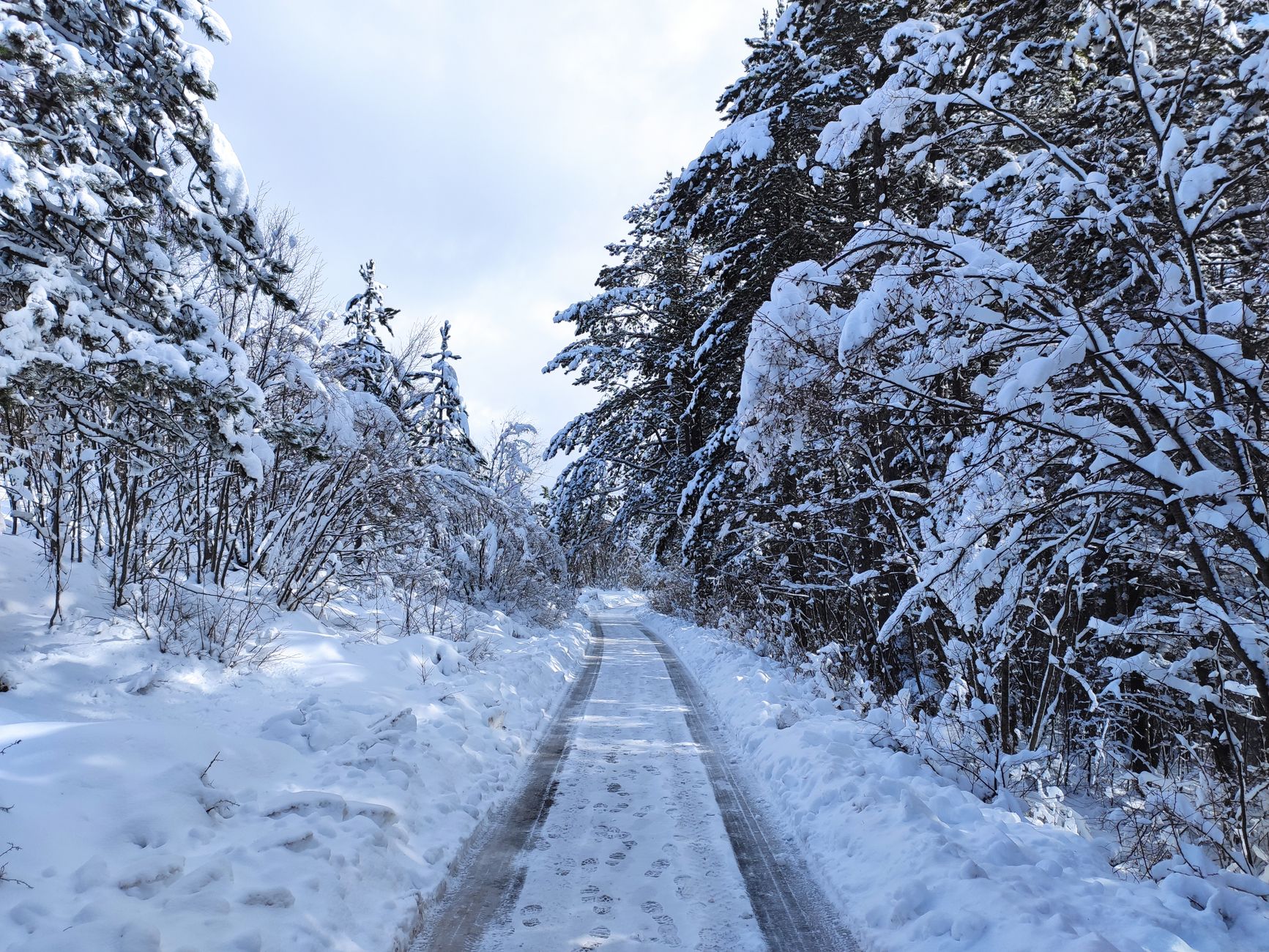
Photo: Migdad Rešidović
There is a particular kind of silence that exists only in winter. It is not the absence of sound so much as the presence of something deeper. Something that settles into your bones the moment your boots crunch through that first layer of frozen snow. I discovered this silence three years into my sobriety, standing alone on the Chautauqua Trail in Boulder, Colorado, breath crystallizing in the 18 degree air, and I understood for the first time why people talk about nature as medicine. Cold weather hiking did not just improve my mental health. It fundamentally rewired how I experience the world.
For those of us in recovery, the sober curious community, or anyone wrestling with the weight of modern existence, winter hiking offers something that no therapist's office or meditation app can fully replicate. It offers the raw, unfiltered experience of being alive in a world that demands your complete attention. When the temperature drops and the trails empty out, something remarkable happens to the human mind. And the science behind it is just as compelling as the experience itself.
When you step into the cold, your body initiates a cascade of physiological responses that have profound effects on your mental state. Cold exposure triggers the release of norepinephrine, a neurotransmitter that plays a crucial role in attention, focus, and mood regulation. Studies have shown that cold exposure can increase norepinephrine levels by up to 500 percent, creating a natural boost in alertness and emotional resilience that many of us spent years chasing through far more destructive means.
But here is what the research does not fully capture: the way that first blast of frigid air strips away the mental chatter. The endless loop of worry, regret, and future tripping that characterizes so much of modern anxiety simply cannot compete with the immediate demand of navigating a snow packed trail. Your mind, forced to focus on the next foothold, the creak of ice, the way your trekking poles sink into fresh powder, finally gets a break from itself.
"The cold does not care about your problems. It does not care about your past. It only asks one thing of you: to be fully present, right here, right now."
This is why cold weather hiking has become such a powerful tool for those of us building sober lifestyles. In recovery, we often talk about the importance of staying present. Of not letting our minds drag us back into old patterns of thinking that lead to old patterns of behavior. Winter hiking enforces presence in a way that few other activities can match.
There is a concept in adventure sports called the "adventure sweet spot." It is the zone between boring and terrifying where growth happens. Cold weather hiking lives permanently in this zone. The challenge is real but manageable. The stakes feel high enough to matter but low enough to remain safe with proper preparation. This is exactly the kind of challenge that builds sustainable confidence in recovery.
Last February, I joined a group from the sober outdoors community for a sunrise hike up Mount Falcon in Jefferson County. The trailhead temperature read 12 degrees. By the time we reached the ruins of John Brisben Walker's castle, the sun had crested the horizon and painted the snow covered peaks in shades of pink and gold that I still see when I close my eyes. We stood there, eight people in various stages of recovery, steam rising from our bodies, grinning like kids who had just gotten away with something magnificent.
That hike was hard. My lungs burned. My quads screamed on the icy switchbacks. And none of it felt like punishment. It felt like proof that I could do hard things without substances. That discomfort did not have to be avoided. That there was power and even joy in pushing through.
Let me be practical here because cold weather hiking requires respect and preparation. The wrong gear can turn a mental health reset into a dangerous situation. My winter hiking kit has evolved through trial, error, and one very uncomfortable descent down Royal Arch Trail with wet cotton socks that taught me a lesson I will never forget.
Base layers matter more than anything. Merino wool from brands like Smartwool or Icebreaker will regulate your temperature and wick moisture in ways that synthetic materials simply cannot match. Your mid layer should provide insulation while allowing movement. I swear by my Patagonia Nano Puff for its warmth to weight ratio. Your outer shell needs to block wind and ideally shed snow. Arc'teryx makes bomb proof options, though budget friendly alternatives from REI Co-op perform admirably.
For footwear, waterproof hiking boots are non negotiable. Salomon X Ultra 4 GTX boots have carried me through countless Colorado winters. Add microspikes like Kahtoola MICROspikes when trails turn icy, and you will move with confidence over terrain that sends unprepared hikers sliding back to the parking lot.
We have covered essential winter hiking gear in more detail elsewhere, but the key principle remains: proper preparation eliminates unnecessary suffering while preserving the kind of productive challenge that builds mental resilience.
Solo winter hiking has its place. There is something sacred about moving through a frozen landscape with only your thoughts and the sound of your own breath. But there is equal magic in sharing these experiences with others who understand the journey.
Sober hiking groups have exploded in popularity across Denver and the Front Range, and winter is when these communities truly shine. The trails are less crowded. The shared challenge creates instant bonding. The post hike coffee or hot chocolate at a local cafe carries a warmth that has nothing to do with temperature.
I have watched people fresh out of treatment discover that they can laugh without alcohol at a frozen waterfall. I have seen longtime members find sponsors on snowy trails. The connections formed when you are freezing your face off together, choosing adventure over isolation, tend to stick. This is what building authentic connections through outdoor recovery actually looks like.
Start shorter than you think you need to. A two mile winter hike will feel like four miles in summer conditions. Your body works harder to maintain core temperature. Your pace slows on snow and ice. Ego will tell you to push for the summit. Wisdom says to save something for next time.
Check conditions obsessively. Colorado Avalanche Information Center provides daily forecasts for backcountry travelers. AllTrails and local hiking groups post recent trail conditions. A beautiful trail at 7,000 feet might be a sheet of ice at 9,000 feet. Knowledge is not just power. It is safety.
Tell someone your plans. Always. Every time. This is non negotiable in winter conditions. Leave a detailed itinerary with a trusted person who will actually notice if you do not check in.
Honor your limits. There is no shame in turning around. The mountain will be there next week. As we explore in our piece on knowing when to turn back, retreat is often the most advanced move a hiker can make.
Every winter hike ends with a return to warmth. This transition, from the crystalline clarity of cold to the soft embrace of heat, creates its own kind of therapy. The tingles as feeling returns to fingers and toes. The bone deep satisfaction of a body that has worked hard and survived. The quiet pride that comes from choosing discomfort over comfort, growth over stagnation, presence over escape.
For those of us who spent years numbing ourselves against the raw edges of life, cold weather hiking offers a radical alternative. Instead of avoiding sensation, we seek it out. Instead of running from discomfort, we learn that we can move through it. Instead of waiting for life to happen to us, we layer up, lace up, and walk directly into the wild winter world.
The trails are quiet this time of year. The tourists have gone home. The fair weather hikers wait for spring. But for those willing to embrace the cold, something transformative awaits. A reset button for the mind. A proving ground for sobriety. A reminder that we are still capable of feeling alive.
The winter trail is calling. Are you ready to answer?
Ready to experience the transformative power of cold weather hiking with a supportive, substance free community? Join Sober Outdoors at soberoutdoors.org and discover upcoming winter hikes, gear recommendations, and connections with others who understand the journey.