Photo: Alex Moliski
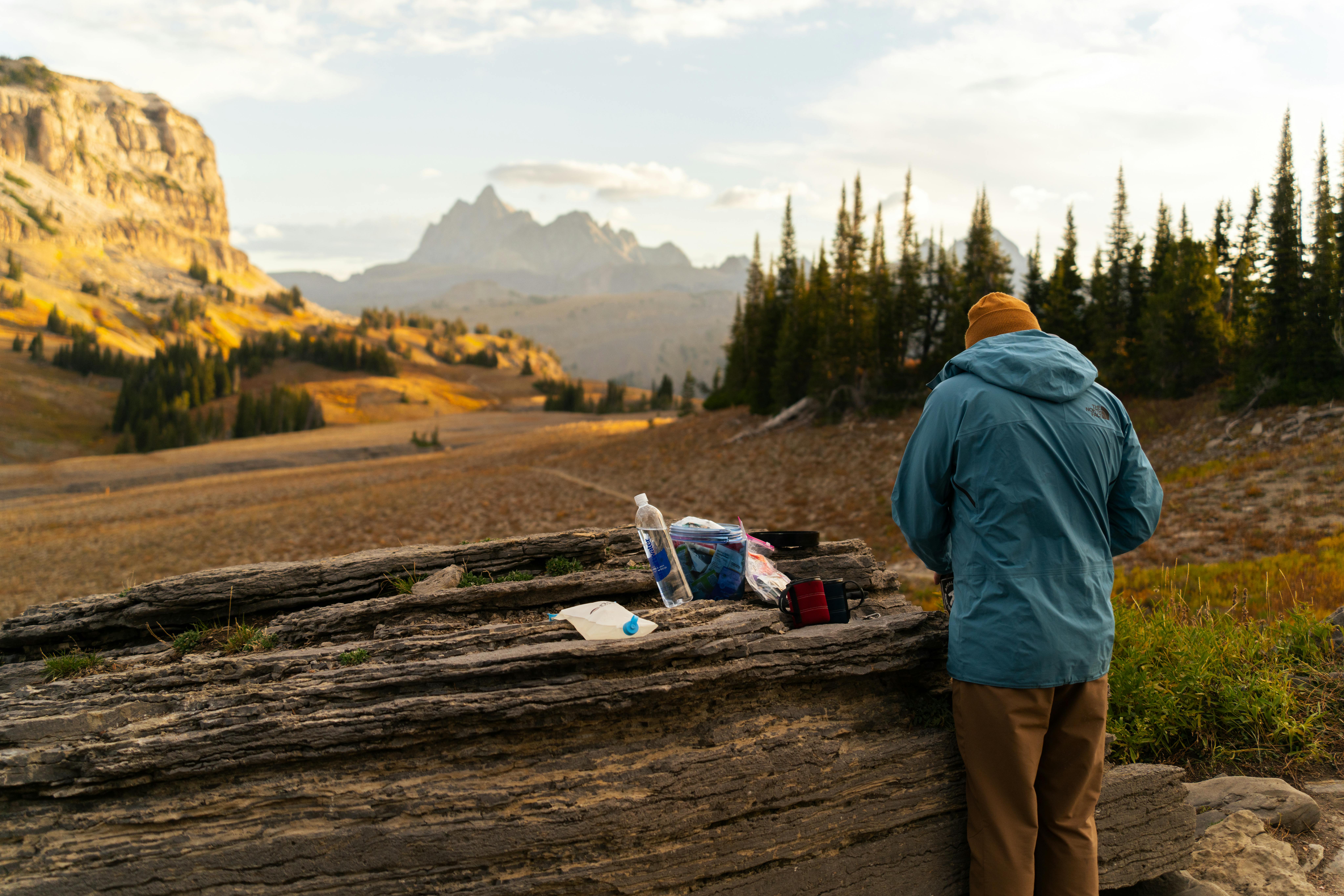
There is a moment at the end of a long trail day when you drop your pack, peel off your boots, and realize that the view in front of you deserves more than a lukewarm sip from a dusty Nalgene. I know this moment well. Two years into sobriety, I have learned that the ritual of preparing something special to drink in the backcountry is not about what you are avoiding. It is about what you are building. Mocktails for backpacking are not a compromise or a consolation prize. They are a deliberate choice to elevate the trail experience, celebrate every hard won mile, and prove to yourself that substance free summer activities can be just as rich and satisfying as anything you left behind.
Here in Albuquerque, my weekend hikes take me through high desert terrain where the sun does not mess around and hydration is not optional. Over the past two summers, I have tested dozens of trail hydration recipes, refined my pack weight strategy, and discovered that the right sip at the right moment can transform a good trip into an unforgettable one. These ten camping mocktails are the survivors of that testing, the ones I make again and again, the ones that make my hiking partners ask what I am drinking and whether they can have some.
Let us get something out of the way: mocktails are not just flavored water with a fancy name. The science backs this up. Research on voluntary fluid intake shows that flavored beverages can increase hydration by up to 50% compared to plain water. When you are sweating through a switchback climb in July, that difference matters. Your body drinks more when your brain finds the experience pleasurable. This is not indulgence. This is strategy.
Beyond hydration, there is the question of safety. Studies on alcohol's effects on the cardiovascular system document how alcohol impairs thermoregulation and hydration. That summit beer is not just a cultural cliché. It is a genuine safety risk at altitude. Choosing non alcoholic outdoor drinks is not about deprivation. It is about respecting the environment you are in and the body carrying you through it.
For those of us in recovery, there is another layer. Research from Stanford and UC Berkeley demonstrates that nature immersion alone reduces the rumination patterns associated with addiction. Pairing that exposure with intentional sober rituals compounds the mental health benefit. When you prepare a drink at camp, you activate the same reward pathways whether or not alcohol is involved. Neuroscience validates the mocktail moment.
The ritual of preparing something special to drink in the backcountry is not about what you are avoiding. It is about what you are building.
Before we get to the recipes, let us talk about weight. Every ounce matters when you are carrying your kitchen on your back. The good news is that most commercial electrolyte mixes contain three to five ingredients you already carry as backpacking staples. Salt, sugar, and citric acid are the foundation of most sports drinks. Add some dried fruit, a few tea bags, or a small container of powdered ginger, and you have everything you need for DIY trail beverages that weigh next to nothing.
My approach is to premix dry ingredients at home in small reusable bags, labeled and ready to drop into my water bottle or camp mug. Liquids add weight and bulk. Powders and concentrates let you pack flavor without the penalty. The recipes below are designed with this philosophy in mind. Most add less than an ounce (28 grams) to your pack per serving.
This is my go to summer hiking drink, inspired by the limonada vendors who set up near the Sandia trailheads. Mix one tablespoon (15 grams) of lemon powder or citric acid with a quarter teaspoon of salt and two tablespoons (25 grams) of sugar. At camp, dissolve in 16 ounces of cold stream water. Add a sprig of wild mint if you find some along the trail. The result is tart, refreshing, and perfectly balanced for electrolyte recovery.
Ginger settles the stomach and adds a warming bite that pairs well with cool mountain evenings. Pack one tablespoon (6 grams) of powdered ginger, two tablespoons of honey crystals, and a pinch of cayenne. At camp, steep in hot water for three minutes, then top with cold water for a temperature you can sip immediately. This one is excellent after a day of steep elevation gain when your body needs something to calm down.
Shrubs have been around for centuries, and there is a reason they are making a comeback. At home, mix one tablespoon (15 ml) of apple cider vinegar powder with two tablespoons of freeze dried berry powder and one tablespoon of sugar. At camp, dissolve in 12 ounces of water. The tangy sweetness is addictive, and the vinegar aids digestion after a day of trail mix and bars.
This is my favorite electrolyte drink recipe for hiking, and it tastes like a vacation. Combine two tablespoons (20 grams) of coconut milk powder with a quarter teaspoon of salt, a pinch of potassium chloride (sold as salt substitute), and one tablespoon of sugar. Shake vigorously in your water bottle with 16 ounces of water. The fat content in the coconut gives you sustained energy, while the electrolytes keep you moving. Research on voluntary dehydration and electrolyte losses confirms that sodium and potassium replacement is critical during prolonged exercise in the heat.
For the caffeine lovers, this one requires a bit of prep but delivers big. At home, make cold brew concentrate and freeze it in a small, leakproof container. Pack it deep in your pack where it will stay cold longest. By the time you reach camp, it is melted and ready to mix with water and a splash of sweetened condensed milk powder. The result is a creamy, energizing drink that feels like a reward.
Hibiscus tea is naturally tart and beautiful. Pack four hibiscus tea bags and two tablespoons of sugar per quart. At camp, steep the tea bags in cold water for 30 minutes while you set up your tent. The color is stunning, the taste is floral and bright, and the ritual of watching the water turn pink is part of the experience.
Dehydrated cucumber slices are lighter than you might expect and rehydrate beautifully. Pack a quarter cup (15 grams) of dehydrated cucumber, two peppermint tea bags, and one tablespoon of honey crystals. Steep in cold water for an hour. This is the most spa like of the camping mocktails, perfect for a recovery day when you are not pushing miles.
When temperatures drop, this one is a lifesaver. Mix two tablespoons (30 grams) of apple cider powder with a quarter teaspoon of cinnamon, a pinch of nutmeg, and one clove. Heat water on your stove, dissolve the mix, and sip slowly while watching the stars come out. The warmth spreads through your whole body, and the spices feel like home.
This is the crowd pleaser, the one I make when I am hiking with friends from Sober Outdoors. Combine two tablespoons (20 grams) of pineapple powder, one tablespoon of mango powder, a quarter teaspoon of salt, and one tablespoon of sugar. Shake with cold water. It tastes like summer and reminds everyone that recovery friendly outdoor activities can be fun, intentional, and delicious.
This one is for the hikers who want something savory and sophisticated. At home, blend one tablespoon of dried rosemary into a fine powder. Mix with one tablespoon of lemon powder, a quarter teaspoon of salt, and one tablespoon of sugar. At camp, steep in hot water, strain through your bandana or coffee filter, and serve warm or cold. The herbal notes pair beautifully with a sunset view.
The question of what to drink instead of alcohol while camping is one I hear often. The answer is anything that makes you want to drink more. Flavor matters. Temperature matters. Ritual matters. When you take the time to prepare something special, you pay attention to your hydration in a way that plain water never inspires. You notice how much you are drinking. You refill more often. You feel better at the end of the day.
Literature reviews on the restorative effects of nature support the idea that outdoor environments reduce psychophysiological stress in ways that compound over time. When you combine that stress reduction with intentional sober rituals, you are not just avoiding a substance. You are building a new relationship with pleasure, reward, and self care. Every mocktail you make at camp is a small declaration: this is how I celebrate now.
The key to backpacking refreshments is preparation. Spend an hour before your trip measuring out ingredients and sealing them in small bags. Label everything clearly. I use a permanent marker and masking tape. Store your mocktail kit in a dedicated stuff sack so you know exactly where to find it at camp.
For longer trips, consider shelf stable flavor boosters like citric acid, powdered ginger, and freeze dried fruit. These ingredients do not require refrigeration and will not spoil over a week in your pack. If you want to add carbonation, there are small, lightweight CO2 canisters designed for trail use. They add a few ounces of weight but transform any drink into something festive.
If you are new to building your backcountry kitchen, check out our guide to lightweight camp cooking essentials for more ideas on minimizing pack weight without sacrificing quality.
One of the things I love about hiking with the Sober Outdoors community is the way we normalize fun drinks for dry camping trips. When everyone at camp is sipping something interesting, there is no awkwardness about what anyone is or is not drinking. The focus is on the experience, the landscape, the people. That shift in energy makes a real difference, especially for folks who are early in recovery or sober curious.
If you are planning a group trip, consider assigning each person a different mocktail recipe. At camp, you can set up a little bar and share. The act of serving each other builds connection and turns hydration into a social ritual. For more ideas on planning recovery friendly outdoor activities with your community, read our piece on group trip planning for sober adventurers.
There is a reason I spend time preparing these drinks instead of just dumping electrolyte powder into my bottle. The ritual matters. The anticipation matters. When you take ten minutes at camp to make something beautiful, you tell yourself that you are worth the effort. That message sinks in over time. It becomes part of how you see yourself: someone who takes care of their body, honors their recovery, and knows how to celebrate without needing a crutch.
This is the insight at the heart of sober adventure ideas: the goal is not just to avoid alcohol. The goal is to build a life so full of good things that alcohol becomes irrelevant. Every mocktail you make in the backcountry is a brick in that foundation. Every toast to the sunset is proof that you can feel joy without numbing yourself first.
For more on the mental health benefits of time outdoors, explore our deep dive on how nature supports recovery.
The best option depends on your preferences and the conditions. For hot weather, citrus or ginger based drinks with electrolytes are ideal. For cooler evenings, warm spiced cider or herbal teas offer comfort and hydration. The key is to choose something you genuinely enjoy so that you drink enough to stay hydrated.
Premix dry ingredients at home and store them in small, labeled bags. At camp, dissolve the mix in cold stream water or heated stove water depending on the recipe. Most mocktail ingredients are shelf stable and do not require refrigeration. Freeze dried fruit, powdered ginger, and citric acid are your best friends.
Most of these recipes add less than an ounce (28 grams) per serving to your pack. By using powdered and dehydrated ingredients instead of liquids, you keep weight minimal. The trade off in hydration, morale, and enjoyment is well worth it.
Absolutely. Commercial mixes are convenient and effective. However, DIY mocktails are often lighter, cheaper, and allow you to customize flavors to your taste. If you prefer the simplicity of a premade mix, look for options with low sugar and real electrolytes like sodium and potassium.
I hope these recipes inspire your next trip into the backcountry. Two years ago, I was not sure I could enjoy the trail without a drink in my hand. Now I know better. The mountains do not care what is in your cup. They care that you showed up, put one foot in front of the other, and stayed present for every mile. Make yourself something delicious tonight. You have earned it.
, Alex Torres