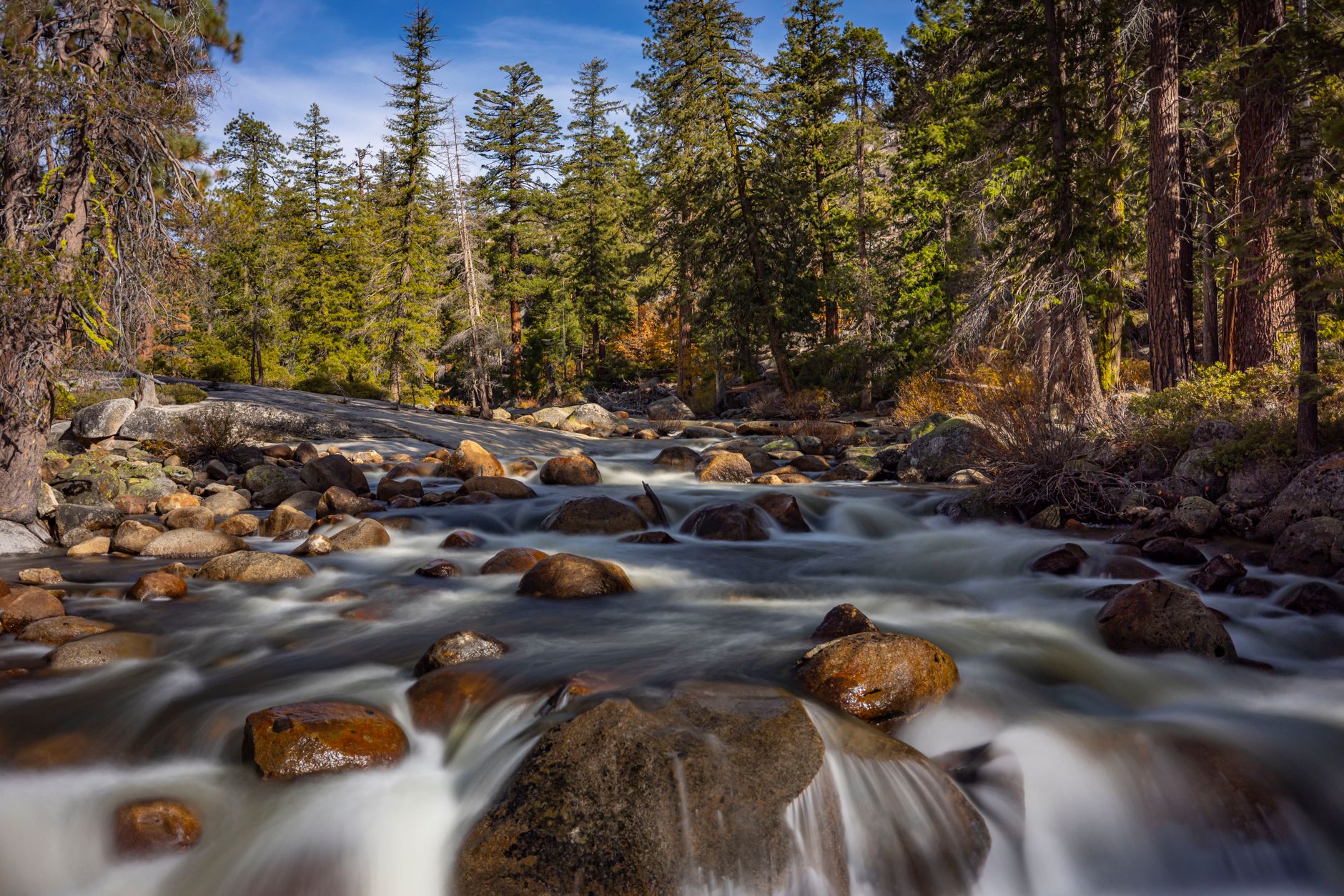
Photo: Stephen Leonardi
There is a moment that happens every single time I sit beside moving water. My thoughts, which had been circling like vultures over the carcass of some worry I cannot control, begin to scatter. The relentless internal monologue fades. My shoulders drop from where they had been hunched near my ears. And somewhere between the third and fourth breath, I realize I am not thinking about anything at all. I am simply present, listening to the river speak in a language older than human anxiety.
This is not just poetry or wishful thinking. This is neuroscience. And for those of us navigating recovery, sobriety, or the daily challenge of managing mental health, understanding why water sounds affect our brains so profoundly can transform a casual creekside visit into an intentional healing practice.
When sound waves from a river reach your ears, something remarkable happens in your brain. Researchers at Brighton and Sussex Medical School conducted studies using fMRI scans to observe brain activity while participants listened to natural sounds versus artificial ones. The results were striking. Natural water sounds triggered a shift in the nervous system toward the parasympathetic state, the rest and digest mode that counters our fight or flight response.
The key lies in what scientists call pink noise. Unlike white noise, which contains equal energy across all frequencies, pink noise has more power in lower frequencies. Rivers, streams, and waterfalls produce this exact acoustic signature. The rushing of Clear Creek through Golden, Colorado, or the gentle burbling of South Boulder Creek along the trail system near Eldorado Springs, these sounds share a frequency pattern that our brains recognize as fundamentally safe.
Dr. Orfeu Buxton, a professor at Pennsylvania State University who studies sleep and sound, explains that non threatening sounds help the brain relax by signaling the absence of danger. Our ancestors who could distinguish between the sound of a predator and the sound of a stream survived to pass down those neural pathways. We are hardwired to find moving water calming because, evolutionarily, it meant we were near a water source and likely not about to be eaten.
Anxiety, at its neurological core, is the amygdala sounding an alarm that refuses to turn off. For those in recovery, this alarm can feel permanently stuck in the on position. The brain has learned through addiction or trauma that danger is everywhere, that comfort must be found through substances, that the only way to quiet the noise is through something that ultimately makes it louder.
River sounds offer an alternative pathway. When the auditory cortex processes the consistent, unpredictable yet non threatening pattern of flowing water, it sends calming signals to the amygdala. Heart rate slows. Cortisol levels drop. The prefrontal cortex, responsible for rational thought and decision making, comes back online after being hijacked by the anxiety response.
The river does not ask you to be anything other than present. It does not judge your past or demand promises about your future. It simply flows, and invites you to flow with it.
This is why so many people in early recovery find profound relief in spending time outdoors near water. The brain is receiving what it desperately needs: sensory input that says you are safe, you can rest now, the threat has passed.
There is another layer to this phenomenon that fascinates researchers. The visual and auditory patterns of rivers are fractal, meaning they repeat at different scales. The way a tributary joins a main channel mirrors the way smaller rivulets join that tributary. The sound of water tumbling over rocks contains patterns within patterns, each slightly different yet fundamentally similar.
Studies from the University of Oregon found that exposure to fractal patterns reduces stress by up to 60 percent. Our visual and auditory systems have evolved to process these natural patterns efficiently. When we encounter them, our brains do not have to work as hard. There is a sense of cognitive ease that translates directly into emotional calm.
This explains why sitting beside the Arkansas River near Buena Vista hits differently than listening to a recording of a river through headphones. The multisensory fractal experience of real moving water, the sight of light dancing on the surface, the feel of mist on skin, the smell of wet stone and pine, these combine to create a healing environment that no app can fully replicate.
Understanding the science is valuable, but application is where transformation happens. Here is how to use this knowledge intentionally in your recovery or mental health practice.
Different water sounds have different effects. A roaring waterfall like those found on the North Cheyenne Cañon Park trails in Colorado Springs creates a more intense sound that can help drown out intrusive thoughts. A gentle stream like you might find along the Highline Canal Trail offers subtler support for meditation or journaling. Experiment to find what your nervous system responds to most positively.
The benefits compound with regular exposure. Consider establishing a weekly practice of visiting the same water source. This creates what psychologists call a conditioned relaxation response. Over time, your brain begins to relax even in anticipation of the visit. Building routines around nature gives your recovery structure that supports rather than restricts.
Walking along a river trail amplifies the benefits. The bilateral stimulation of walking, left foot then right foot, combined with water sounds creates a similar neurological effect to EMDR therapy, which is used to treat trauma and anxiety. The Bear Creek Trail in Morrison or the trail system along the Platte River through Denver offer perfect opportunities for this walking meditation practice.
While nothing replaces the real experience, tabletop water fountains or high quality river sound recordings can help maintain nervous system regulation between outdoor adventures. Use these as bridges, not replacements, for actual time spent near water.
There is something about rivers that mirrors the recovery journey itself. Water does not resist the rocks in its path. It flows around them, over them, sometimes carving through them over time. It does not try to control its course but rather follows the path of least resistance while still moving inexorably forward.
For those of us who spent years or decades trying to control everything through substances or behaviors, the river offers a different model. Progress without force. Movement without resistance. The willingness to be shaped by the journey rather than demanding the journey conform to our expectations.
The science tells us that river sounds calm anxiety through specific neurological mechanisms. But the experience tells us something more. It tells us that we belong to this world. That our nervous systems are designed to find peace in natural places. That the healing we seek is not something we have to manufacture but something we can access simply by showing up where water meets stone.
This is why sober outdoor communities matter so much. Alone, we might forget to visit the river. Together, we remind each other that the medicine is there, waiting, flowing endlessly toward the sea.
Whether you are in early recovery, years into your sobriety journey, or simply someone seeking natural approaches to managing anxiety and stress, the rivers are calling. They have been calling since before humans had words for anxiety or addiction or healing. They will keep calling long after we are gone.
The question is not whether the river can help. The science confirms it can. The question is whether you will answer the invitation.
At Sober Outdoors, we create substance free adventures that include some of Colorado's most beautiful waterways. From guided hikes along creek trails to camping trips near rivers, we help people in recovery and the sober curious community access the healing power of nature in supportive, judgment free environments. Visit soberoutdoors.org to find your next river, your next breath of calm, and your next step forward in a community that understands the journey.