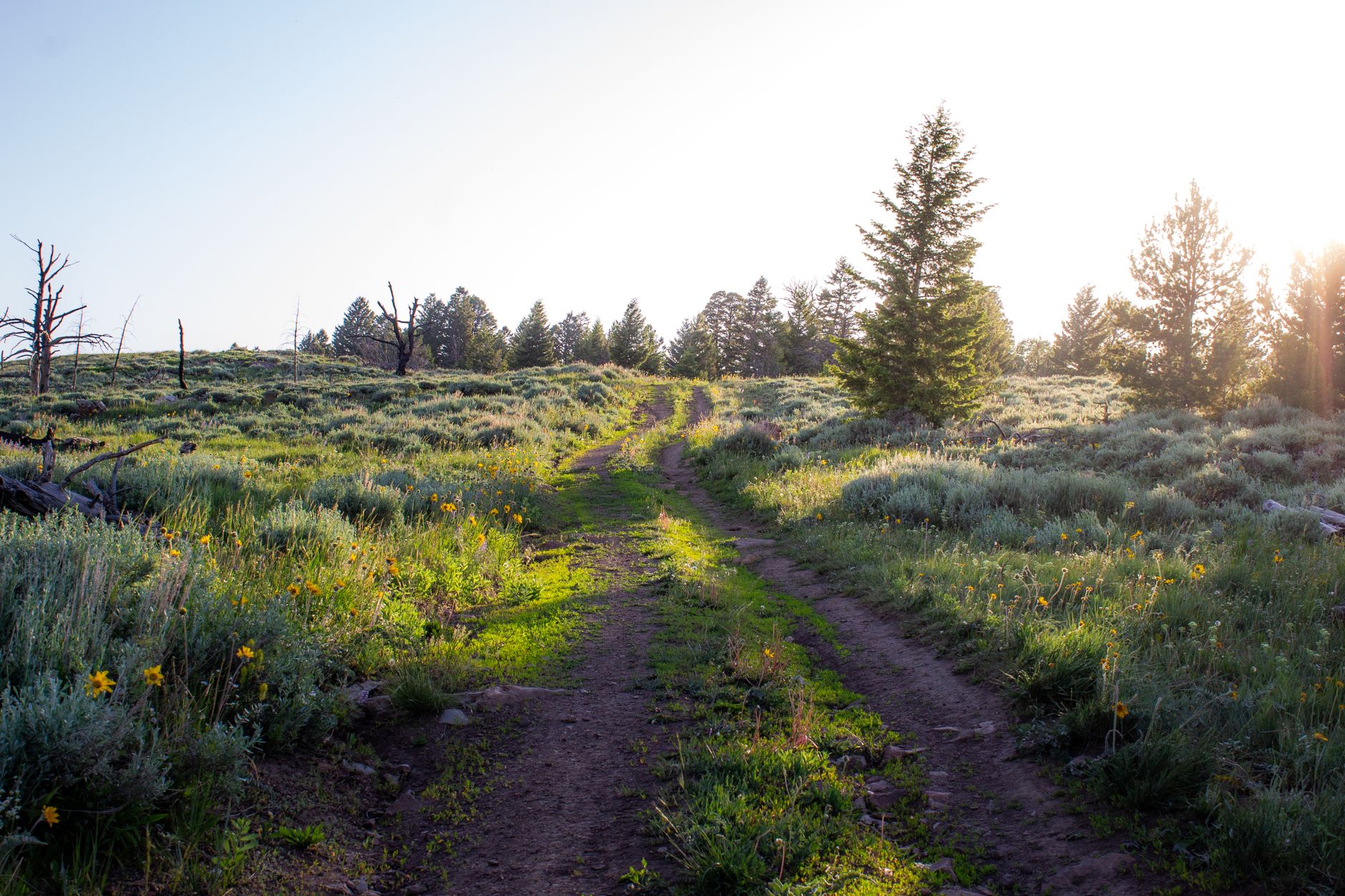
Photo: Sam McCool
There is a particular quality of light that exists only twice each day, a luminous threshold between darkness and brilliance that painters have chased for centuries and poets have tried to capture in verse. For those of us walking the recovery path, this golden hour carries something even more profound than aesthetic beauty. It offers a natural reset button for the brain, a doorway into presence, and a reminder that transformation is not just possible but inevitable. The sun rises and sets every single day without fail. And when you position yourself on a mountain trail to witness either transition, something shifts inside you that no amount of talking about healing can replicate.
Before we lace up our trail runners and debate which timeframe suits your spirit better, let us acknowledge what happens physiologically when we expose ourselves to the soft, angled light of dawn or dusk. During these transitional periods, sunlight filters through more atmosphere, reducing the harsh blue wavelengths that can overstimulate our nervous systems while bathing us in warmer amber and rose tones. This softer light signals our circadian rhythm in profound ways that artificial lighting simply cannot replicate.
Morning light exposure, particularly within the first hour after sunrise, triggers a cascade of cortisol that helps us feel alert and focused while simultaneously setting up our bodies for better melatonin production come nighttime. This is not wellness industry speculation. This is peer reviewed neuroscience that recovery communities are only beginning to fully embrace. For those of us whose sleep cycles were decimated by substance use or whose anxiety makes mornings feel like walking through wet concrete, deliberately seeking sunrise light can recalibrate the entire system over time.
Evening light carries its own gifts. The gradual dimming as the sun drops toward the horizon naturally downregulates our sympathetic nervous system, the fight or flight machinery that often runs hot for people in early recovery. Watching a sunset is not passive observation. It is active participation in your own nervous system regulation.
There is an intimacy to the pre dawn trail that defies easy description. I have stood at the Chautauqua Trailhead in Boulder at 5:15 AM, headlamp illuminating the path toward the Flatirons, and felt something close to what others might call sacred. The air at this hour carries a crispness that seems to sharpen both vision and thought. Wildlife moves differently before the crowds arrive. I have watched deer grazing without fear and heard coyotes finishing their nighttime conversations in the distance.
For those in recovery, there is symbolic power in greeting the day before most of the world has even stirred. You are choosing to be awake. You are choosing to show up for something beautiful. This simple act of agency, of deciding to meet the sunrise rather than stumbling into consciousness at noon, rebuilds the self trust that addiction often erodes. Each morning you follow through becomes a small deposit in the bank of personal integrity.
The practical considerations matter too. In Colorado summers, starting a hike at 5:30 AM means you can summit a fourteener and descend below treeline before afternoon thunderstorms roll in. At Mount Bierstadt, one of the more accessible fourteeners along the Guanella Pass corridor, this early start is not just about mood optimization but genuine safety. You gain the psychological benefits of sunrise and make smart backcountry decisions simultaneously.
Every sunrise witnessed from a mountaintop is a promise kept to yourself. And in recovery, we are rebuilding our lives one kept promise at a time.
The gear considerations differ slightly for dawn missions. A reliable headlamp becomes essential; I trust the Black Diamond Spot 400 for its comfortable headband and reliable battery life. Temperatures at high altitude before sunrise can drop significantly below daytime highs, so layering with a quality midweight fleece like the Patagonia R1 Air ensures you stay warm during the approach but can shed layers as the sun climbs and your body generates heat.
If sunrise hikes are about intention setting and meeting possibility, sunset hikes serve a different emotional function. They become containers for processing, for letting go, for marking the transition from day to rest. After a challenging day managing cravings or navigating the emotional terrain that recovery inevitably presents, there are few better medicines than watching the sky ignite with color from a high vantage point.
At Green Mountain in Lakewood, the relatively short but steep ascent rewards evening hikers with panoramic views of the Denver skyline as the sun drops behind the mountains to the west. The 2.5 mile round trip takes most hikers about an hour and a half, perfectly timed for those leaving work with enough daylight remaining for a post sunset descent. This kind of accessible urban adjacent trail makes consistent sunset hiking possible even for those without significant drive time to spare.
Sunset hikes also lend themselves beautifully to community experience. There is something about the shared witness of day becoming night that loosens conversation, that invites vulnerability without demanding it. Our sober hiking groups often find that evening outings produce deeper connection than their morning counterparts. Perhaps it is the collective exhale after a day of staying present, of doing the next right thing, of navigating a world that often does not understand what this path requires.
So which serves you better? The answer lives somewhere in the intersection of your personal neurobiology, your current life circumstances, and your recovery needs at this particular moment. Some questions worth sitting with: Do you struggle more with activating in the morning or winding down at night? Is your primary challenge anxiety that needs evening regulation or depression that could benefit from morning light exposure? Are you rebuilding routines and craving the structure that a morning commitment provides?
Many find that alternating between sunrise and sunset hikes throughout the week creates the most balanced mood support. Monday morning at Horsetooth Falls near Fort Collins, watching the first light paint the rock faces gold, sets an intention for the week. Friday evening on the Mount Falcon Castle Trail, watching Denver sparkle to life as darkness falls, releases the week's accumulated tension.
The seasonal dimension matters too. Winter sunrise hikes in Colorado mean navigating genuine cold; a 6:30 AM start in January might see temperatures in the single digits at elevation. This requires serious preparation including insulated boots, hand warmers, and knowledge of cold weather layering systems. Summer sunset hikes extend well past 8 PM, allowing for longer routes and more leisurely paces.
Here is what I have observed after years of facilitating sober outdoor experiences: the occasional golden hour hike provides a nice experience. The consistent practice of seeking these liminal light conditions transforms lives. Something happens when you commit to greeting the sunrise once a week for three months, or when you establish Thursday sunset hikes as a non negotiable part of your recovery toolkit.
Your relationship with time itself begins to shift. Rather than watching clocks with the anxious energy of someone waiting for the next craving to pass, you start marking days by how the light behaves. October sunsets along the front range carry that particular amber quality as cottonwoods turn gold in the creek drainages. February sunrises paint the fresh snow pink in ways that June mornings never replicate.
This attunement to natural rhythms anchors us in something larger than our individual struggles. The sun does not care about our past. It does not judge our stumbles or demand explanations for the years we lost to substances. It simply rises and sets, offering its medicine freely to anyone willing to witness.
Whether you choose to set your alarm for the pre dawn darkness or lace up your boots after the workday releases you, consider making golden hour hiking a deliberate practice rather than an occasional treat. Start with one sunrise or sunset hike per week. Notice what shifts in your mood, your sleep quality, your general sense of possibility. Pay attention to the particular colors that move you, the wildlife that appears at these transitional hours, the way conversations with hiking companions take on different textures in the soft light.
Recovery is fundamentally about choosing to show up for life, again and again, even when it feels impossible. The sunrise keeps its appointment with the horizon every single morning. The sunset paints its canvas every evening without exception. In witnessing these daily miracles from the trail, we align ourselves with reliability, with beauty, with the relentless renewal that nature models for us.
Ready to experience sunrise or sunset on the trail with a community that understands? Visit soberoutdoors.org to find upcoming dawn patrols, evening hikes, and other substance free outdoor adventures in the Denver area and beyond. The golden hour awaits.