Wildfire Smoke and Mental Health: What Smoke Season Does to a Recovering Brain
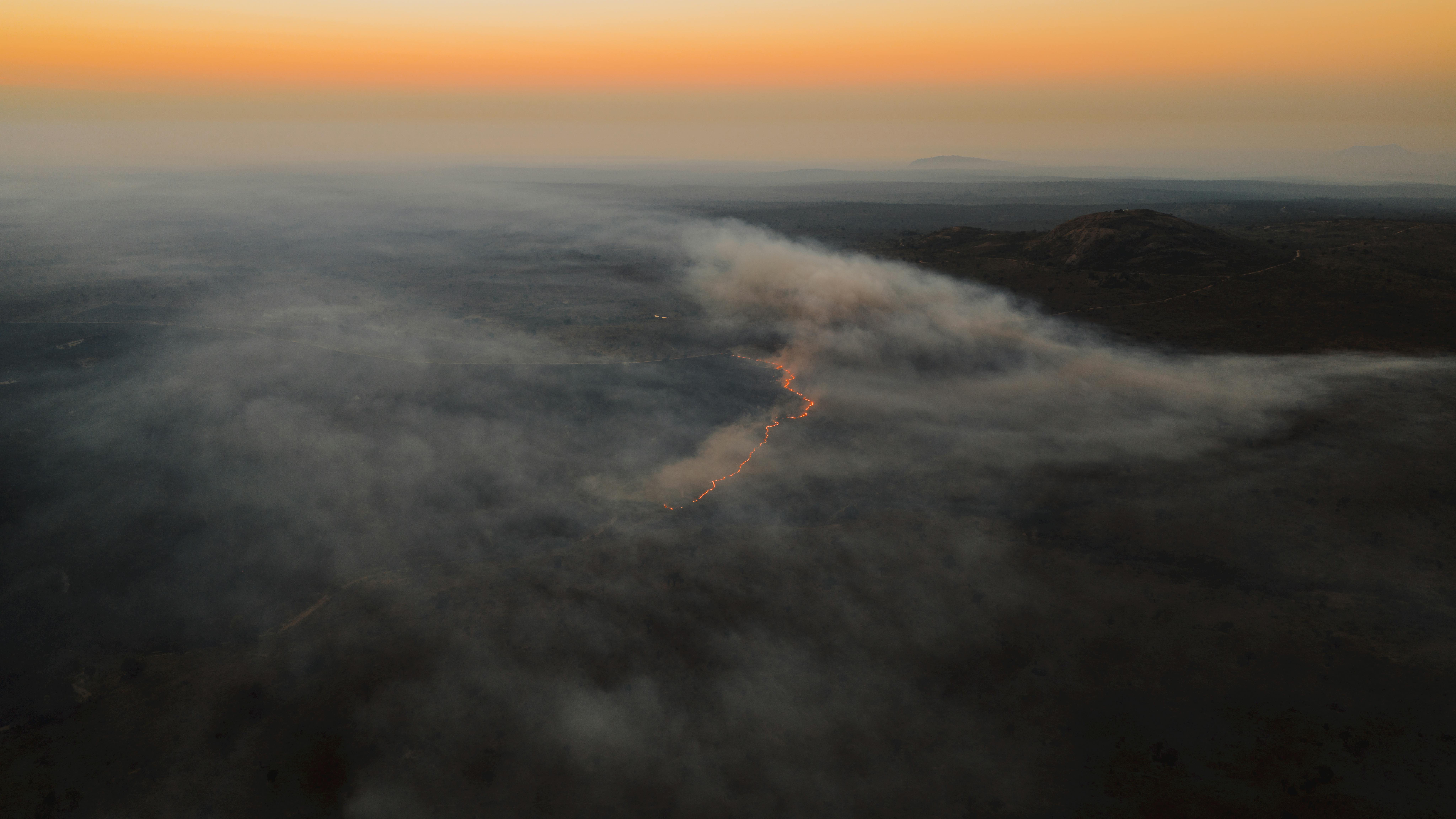
If you live anywhere near Denver right now, you already know what I'm about to say. That orange haze sitting over the Front Range is not fog. It is wildfire smoke, and it has been settling into western cities with increasing regularity every summer. Colorado Springs, where I live, gets it too. So does Salt Lake, Boise, Phoenix, and pretty much every city within a few hundred miles of burning timber.
Here is the part nobody tells you: that smoke is not just making sunsets weird. It is probably messing with your head, and there is actual research behind that statement.
A 2024 study published in Nature Mental Health looked at roughly 1.9 million emergency department visits for anxiety disorders across the western United States. When wildfire smoke increased, so did anxiety related ER visits. The researchers were careful to call this an association rather than proven causation, but the pattern was consistent across eleven years of data. When smoke goes up, anxiety goes up with it.
If you have noticed yourself feeling more on edge during smoke season, you are not imagining it. Your body is responding to something real.
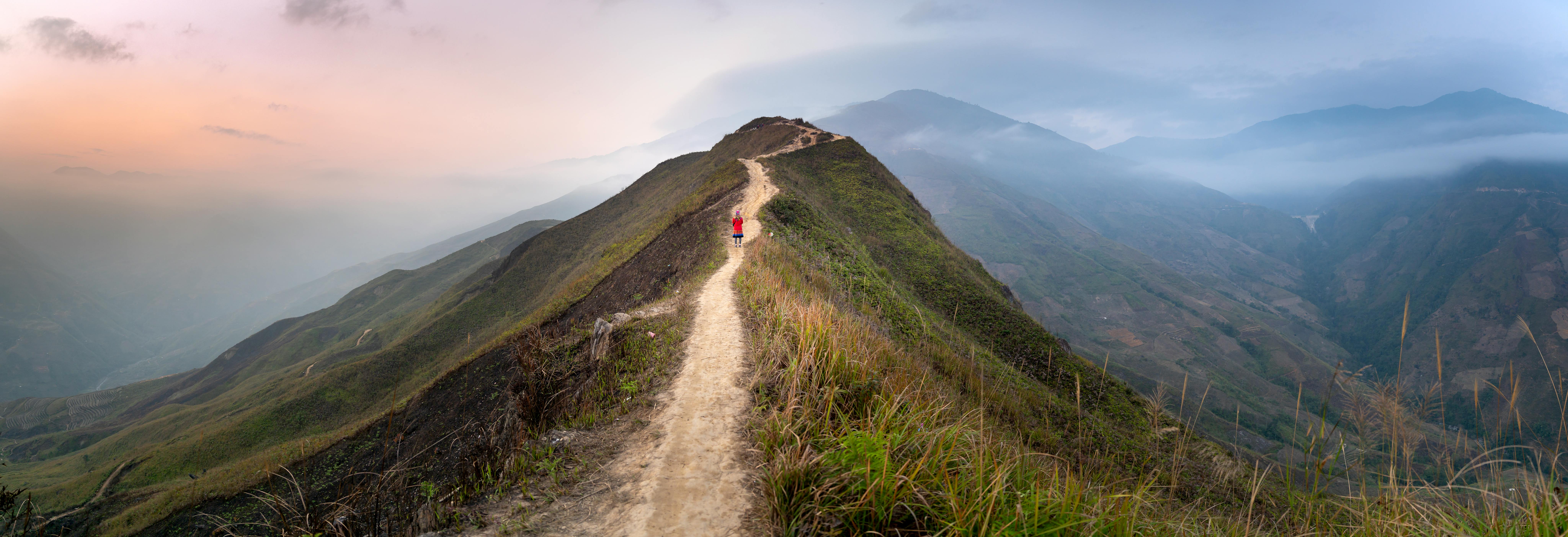
Photo by Quang Nguyen Vinh via Pexels
Why This Matters If the Outdoors Keeps You Level
For a lot of us in recovery, getting outside is not a hobby. It is maintenance. The trail run that clears my head, the Saturday hike with my sober friends, the simple act of moving through trees instead of sitting with my thoughts in a room where the walls start closing in. These are not luxuries. They are load bearing walls in the structure of my sobriety.
Smoke season threatens that structure in a way other stressors do not. A bad week at work is hard, but the trail is still there. A difficult conversation with family hurts, but you can still go run it off. Smoke season is different. The smoke itself increases your stress load while simultaneously closing off your primary tool for managing stress. Both problems arrive from the same orange sky on the same weekend.
That is a squeeze, and it requires a plan.
Smoke season increases your stress load while simultaneously closing off your primary tool for managing stress. Both problems arrive from the same orange sky.
The Good News: You Can Still Get Outside Safely
Here is what I want you to walk away with: smoke season does not have to mean house arrest. It means paying attention and making smarter choices. The backcountry is not entirely off limits. It just requires more homework than usual.
Check the Air Before You Check the Trail
The EPA's Air Quality Index is your friend here. Bookmark AirNow.gov or download a reliable air quality app and check it before every outing. Do not assume yesterday's conditions still apply. Smoke can shift dramatically in hours.
Here is the simple breakdown:
AQI 0 to 50 (Good): Go enjoy yourself. No restrictions.
AQI 51 to 100 (Moderate): Most people are fine. If you have asthma or respiratory issues, consider a shorter outing or lower intensity.
AQI 101 to 150 (Unhealthy for Sensitive Groups): Time to shorten your plans. A two hour hike becomes a one hour walk. Keep it mellow.
AQI 151 to 200 (Unhealthy): Move it inside. The gym counts. The treadmill counts. Your living room with a yoga video counts.
AQI above 200: Stay inside. Full stop.
Chase Cleaner Air
Smoke does not settle evenly. Higher elevations sometimes sit above the inversion layer. Coastal areas can have onshore breezes pushing smoke inland. Some valleys pool smoke while ridgelines stay clearer. Check multiple monitoring stations, not just your local one.
I have driven an hour to find AQI 45 when my neighborhood was sitting at 160. That trade is worth it.
Time It Right
Air quality often improves in the early morning before the day heats up and smoke gets pushed around. A 6 AM start might buy you a few hours of better breathing. Evening can go either way depending on wind patterns. Monitor and adapt.
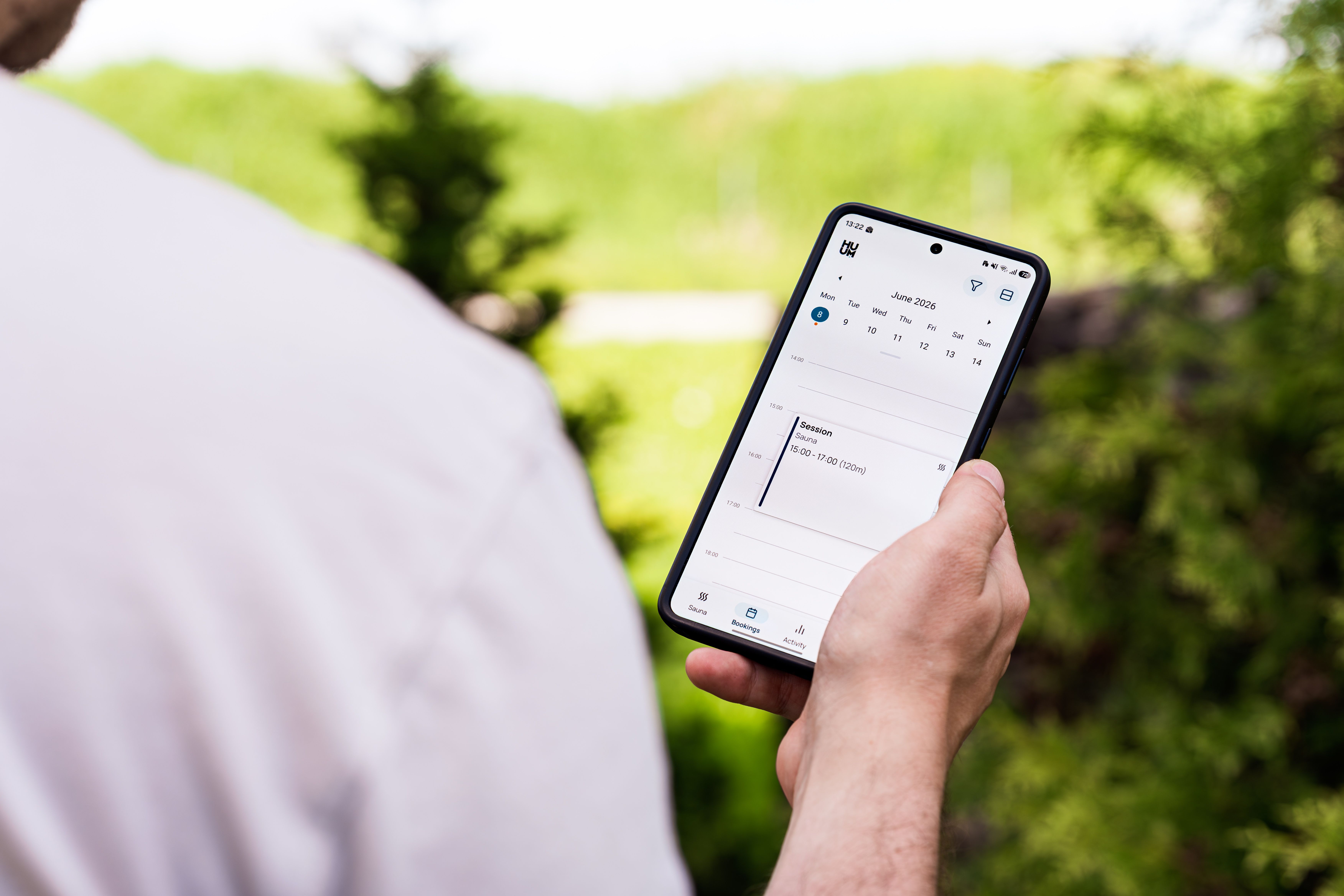
Photo by HUUM │sauna heaters via Pexels
What Not to Do When the Backcountry Is Burning
This should go without saying, but I will say it anyway because the stakes are high.
Do Not Add to the Problem
Fire restrictions exist for a reason. When your area is under a fire ban, that means no campfires, no camp stoves in some cases, no smoking in the backcountry. Check local restrictions before every trip. They change as conditions change.
Human caused fires account for a significant portion of wildfires every year. Many of them are accidents. A spark from a trailer chain dragging on pavement. A cigarette butt tossed without thinking. A campfire that looked dead but was not. Do not be that story.
Do Not Ignore Closures
Trail closures are not suggestions. When an area is closed due to fire activity, it is closed because there is active danger or because emergency crews need access without hikers in the way. Sneaking around a closure is not adventurous. It is selfish and potentially dangerous to people working to contain the fire.
Check with local ranger districts or land management agencies before heading out. Their websites and social media feeds usually have current closure information.
Do Not Push Through Bad Air
Your lungs are not tougher than particulate matter. That burning sensation in your chest is not your body adapting. It is damage happening in real time. PM2.5 particles are small enough to pass through lung tissue into your bloodstream. Exercising hard in bad air drives those particles deeper into your system.
Pride has no place here. Turn around. Go home. Try again tomorrow.
Pride has no place in bad air. Turn around, go home, and try again tomorrow. The trail will wait.
Building a Smoke Season Plan That Actually Holds
In most of the western US, peak smoke season runs roughly from mid July through early September. The dates shift depending on where you live and how the fire year unfolds, but the pattern is predictable enough to plan around.
Name the Six Weeks
Put smoke season on your calendar as a thing you are preparing for, not a thing that happens to you. Tell your sponsor, your accountability partner, your therapist, whoever is in your corner. Let them know you are entering a period when your usual routine will be disrupted and you might need extra check ins.
When the loss of outdoor access is a plan you execute rather than an ambush that destabilizes you, it changes the psychological weight. You are not watching helplessly as your routine disappears. You are implementing a contingency you prepared months ago.
Build Your Indoor Movement Options Now
Do not wait until AQI hits 180 to figure out what you will do instead. Figure it out now while your head is clear.
A gym membership. A set of resistance bands and a YouTube channel you actually like. A stationary bike in the garage. A climbing gym with filtered air. Swimming at an indoor pool. Whatever gets your heart rate up and fits your budget and schedule.
The research on exercise and recovery is clear: physical activity supports sobriety across multiple pathways. What the research does not require is a summit or a scenic view. It requires elevated heart rate and consistency. The treadmill is not as pretty as the trail. It still counts.
Keep the Community Even When the Venue Changes
Your Sober Outdoors chapter or hiking group can still meet. The community does not require a trailhead. Move the weekly hike indoors. Gather at a gym. Meet at someone's house for a workout video followed by the real reason you came: the conversation afterward.
Isolation is the enemy here, not the venue change. Stay connected even when the setting shifts.
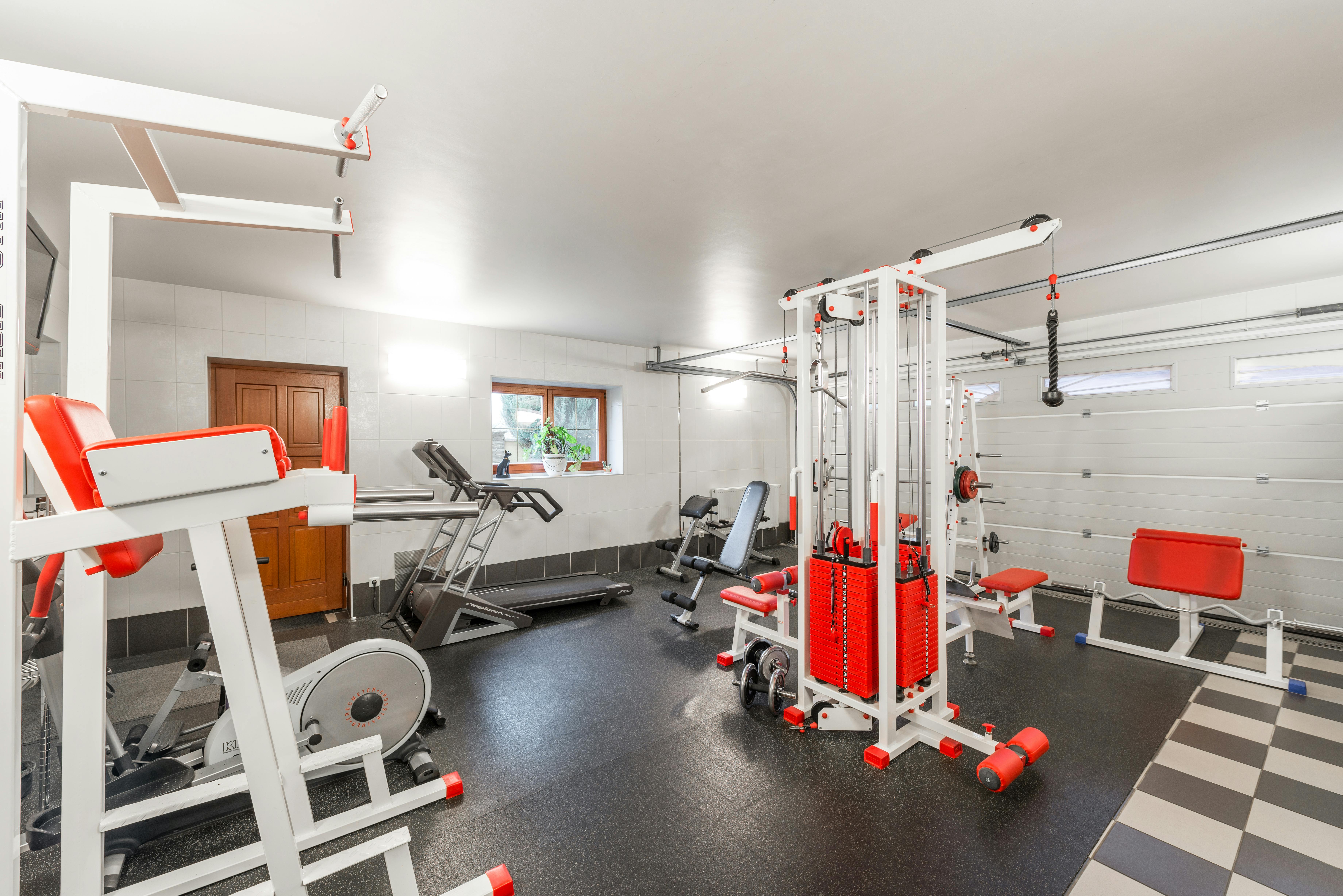
Photo by Max Vakhtbovych via Pexels
When Anxiety Shows Up Anyway
Even with a plan, smoke season might get to you. The research supports what your body already knows: breathing this stuff affects how you feel. If you notice your mood destabilizing, here is what to do.
Call before the crisis. Your sponsor, your therapist, your chapter lead, the person whose number you have for exactly this situation. Smoke season is a legitimate stressor with physiological effects. Reaching out early is the maintenance schedule working as designed.
Do not skip three days of movement and then wonder why you are spiraling. If outdoor exercise is off the table, indoor movement becomes non negotiable. Miss one day, fine. Miss two days, get suspicious. Miss three days and you are already in the slide.
Name what is happening. Saying out loud "I am feeling anxious because of the smoke and because I have not been able to run in a week" takes some of the power out of it. You are not losing your mind. You are having a predictable response to a stressor that has documented effects on mental health.
The Bigger Picture
Smoke seasons are getting longer and more intense. That is the climate reality we are living in. The research will catch up eventually, and someone will measure the full pathway from wildfire exposure to recovery outcomes. Until then, we work with what we know: smoke is associated with anxiety, anxiety is associated with relapse risk, and the tool we rely on to manage both gets taken away at exactly the wrong moment.
You can wait for certainty and hope for the best. Or you can name the risk, build the backup plan, and enter smoke season with your eyes open.
I know which approach has kept me sober for five years. The trail will still be there in October. I want you to be there too.
Frequently Asked Questions
Can wildfire smoke cause anxiety?
Research shows an association between wildfire smoke exposure and increased emergency department visits for anxiety disorders. The 2024 Nature Mental Health study found this pattern across 1.9 million cases in the western US. While causation is not definitively proven, the association is consistent enough to take seriously. If you feel more anxious during smoke season, your body is responding to something real.
Is it safe to exercise outside during wildfire smoke?
It depends entirely on the Air Quality Index. Below 50 AQI is generally safe for everyone. Between 51 and 100, most people are fine but sensitive groups should consider limiting intensity. Above 100, shorten your outing and keep it mellow. Above 150, move it inside. Check AirNow.gov before heading out and do not assume yesterday's conditions still apply.
What AQI is too high to hike?
For most healthy adults, AQI above 100 should prompt caution and shorter outings. Above 150, the EPA recommends avoiding prolonged outdoor exertion entirely. If you have respiratory conditions, heart issues, or other sensitivities, your threshold is lower. When in doubt, substitute indoor movement and try again when conditions improve.
How can I still get outside safely during fire season?
Check air quality before every outing. Chase cleaner air by looking at conditions in different areas. Time your outings for early morning when air quality is often better. Keep plans flexible and be willing to cut trips short. Respect all fire restrictions and trail closures. Have indoor backup plans ready so you are not making decisions while frustrated.
What should I avoid doing in the backcountry during fire season?
Do not ignore fire restrictions or trail closures. Do not have campfires during burn bans. Do not smoke in the backcountry. Do not push through obviously bad air quality just because you drove an hour to get there. Do not leave any potential ignition source unattended. The stakes are too high for shortcuts.
Smoke season tests routines that were not designed for it. Plan the six weeks. Substitute rather than cancel. Stay connected to your people even when the venue changes. The infrastructure of your sobriety can hold through this, but it helps to reinforce it before the stress arrives.
Eli Strand