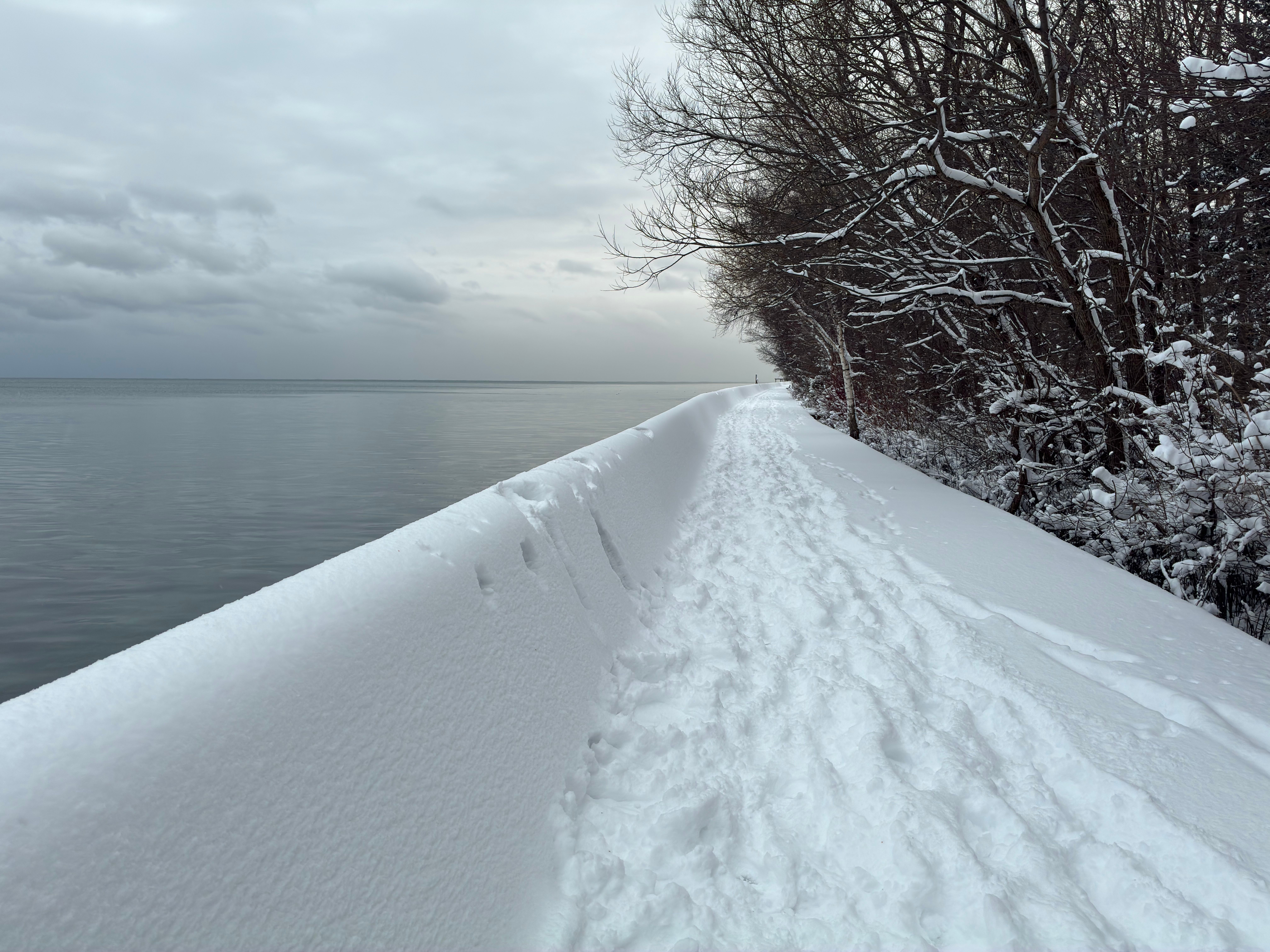
Photo: Yogendra Singh
The snow fell all night. By morning, Bear Lake had disappeared under two feet of white. I stood at the trailhead, strapping on rented snowshoes for the first time in my life, four years sober and terrified of falling. Not falling down. Falling back. Winter has always been the season that wants to swallow me whole.
But here's what I learned that morning, and what I keep learning every time I return to Rocky Mountain National Park in winter: the cold doesn't care about your fear. The trail doesn't ask if you're ready. You take one step, then another, and somewhere between the parking lot and the frozen shore, something shifts. The silence gets loud enough to drown out everything else.
If you're reading this because you need a reason to get outside this winter, or because you're looking for sober outdoor activities in winter Colorado, or because you typed "is snowshoeing good for anxiety and depression" into a search bar at 2 a.m., I wrote this for you. Let me walk you through it. One foot. Then the other. That's it. That's the whole thing.
Winter is statistically the hardest season for people in recovery. The days shrink. The cold isolates. The holiday parties and family gatherings and general cultural pressure to drink press in from every side. I've lost count of how many winters I spent white knuckling through December, just trying to survive until the sun came back.
But here's what I wish someone had told me earlier: the wilderness is still there in winter. It just asks more of you to reach it. And that asking, that effort, that's part of what makes it work.
Rocky Mountain National Park sees 90% fewer visitors between November and April. The same trails that feel like theme park queues in July become something else entirely under snow. Quiet. Expansive. Yours. The Ute people used snowshoes in this region for thousands of years, moving through challenge with intention, following elk and the seasons. Walking these trails connects you to that ancient tradition, even if you're just a beginner trying to figure out which way the bindings go.
Research published in Landscape and Urban Planning found that walking in natural settings significantly reduces rumination, that spiral of negative thinking that fuels both depression and relapse. The study showed measurable decreases in activity in the subgenual prefrontal cortex, the part of the brain associated with repetitive self focus during sadness. In plain terms: nature interrupts the loop.
And winter nature does something extra. The silence of a snow covered forest triggers the same parasympathetic nervous system response as meditation, without requiring you to sit still. A comprehensive review in Science Advances established causal pathways between nature contact and mental health benefits including reduced stress, improved mood regulation, and enhanced capacity for attention. Snow amplifies these effects. The white blanket absorbs sound. The cold sharpens focus. The effort of moving through deep powder anchors you in your body.
That's the work. That's always the work. Getting out of your head and back into your legs, your lungs, your hands.
Yes. Absolutely yes. Snowshoeing has one of the lowest barriers to entry of any winter sport. If you can walk, you can snowshoe. The learning curve is measured in minutes, not days. Most people figure out the basic gait within the first quarter mile.
Here's what makes it accessible: snowshoes distribute your weight across a larger surface area, so you float on top of the snow instead of postholing through it. Modern snowshoes have built in crampons for traction on ice and adjustable bindings that fit over any waterproof boot. You don't need special skills. You don't need to be fit. You just need to be willing to go slowly at first.
For those wondering how hard is snowshoeing for beginners, here's my honest answer: it's harder than walking on a paved trail and easier than almost every other winter sport. Your heart rate will climb. Your legs will notice. Research in the Journal of Mental Health connects moderate aerobic exercise like snowshoeing to reduced symptoms of anxiety and depression. Snowshoeing burns up to 600 calories per hour while being gentler on joints than running. It's the perfect entry point for rebuilding physical health without risking injury.
The park requires no permit for snowshoeing. You can rent gear in Estes Park for around $15 to $25 per day. Most rental shops will give you a quick tutorial on fitting and technique. Then you drive up, strap in, and go.
The Bear Lake area offers the most accessible beginner snowshoeing in RMNP. The road stays open year round, and the network of trails around the lake provides options for every fitness level.
Distance: 0.6 miles. Elevation gain: minimal. This flat loop circles the frozen lake and gives you the full alpine winter experience without any significant effort. It's perfect for your first time out, when you're still figuring out how to lift your feet high enough to clear the snow. The views of Hallett Peak and Flattop Mountain framed by snow covered pines will stop you in your tracks.
Distance: 1.1 miles round trip. Elevation gain: about 225 feet. This trail climbs gently through subalpine forest to a small lake backed by dramatic peaks. It's the next step up from Bear Lake and still very manageable for beginners. The packed trail is usually well traveled, making navigation straightforward.
Distance: 0.8 mile loop. Elevation gain: nearly flat. If you want solitude, start here instead of Bear Lake. The parking lot is lower and less crowded, and the lake offers similarly stunning views with fewer people. The flat terrain makes it ideal for families or anyone building confidence.
Distance: 1.6 miles round trip. Elevation gain: about 200 feet. In winter, the waterfall freezes into a dramatic ice sculpture. The trail is wider and more gradual than the summer route suggests, making it a good choice for beginners ready to push a little further. Watching water frozen mid motion does something to your sense of time. It slows everything down.
For more ideas on winter trail selection, check out our guide to cold weather hiking essentials that pairs well with this piece.
Layering is everything. The biggest mistake beginners make is overdressing. Snowshoeing generates significant body heat, and you'll be sweating within the first ten minutes if you're wearing too much. Then you stop moving, the sweat cools, and you're suddenly freezing.
Here's the system that works:
Base layer: Moisture wicking fabric against your skin. No cotton. Synthetic or merino wool. This layer pulls sweat away from your body.
Mid layer: Insulating fleece or light down. Something you can open or remove easily as you warm up.
Outer layer: Wind and water resistant shell. It doesn't need to be heavy. You want protection from wind and wet snow, not insulation.
Legs: Softshell pants or insulated hiking pants work well. Avoid jeans. They absorb moisture and will make you miserable.
Feet: Waterproof boots with good ankle support. They should be large enough to fit thick wool socks with room to wiggle your toes. Gaiters help keep snow out of your boots.
Hands and head: Bring two pairs of gloves, one lighter for movement, one warmer for breaks. A warm hat that covers your ears. Sunglasses or goggles for bright days.
Extras: Sunscreen (snow reflects UV like a mirror), lip balm, hand warmers for pockets, a small backpack with water and snacks.
The altitude at Rocky Mountain National Park makes hydration critical. Even when you don't feel thirsty, you're losing moisture through breath and sweat. Drink before you feel you need to.
If you're looking for snowshoe rental Estes Park has several reliable options. Estes Park Mountain Shop, Kirk's Mountain Adventures, and Outdoor World all rent snowshoes by the day or weekend. Prices typically run $15 to $25 per day, and most shops include poles.
A note on poles: use them. Especially as a beginner. They provide balance on uneven terrain, help you catch yourself when you inevitably step on your own snowshoe, and take pressure off your knees on downhill sections. Don't skip the poles to save a few dollars.
If you're coming from Denver, you can also rent snowshoes at REI or from several outfitters along the way. Just make sure you have the gear before you reach the park, as there are no rental options inside RMNP itself.
"The mountain doesn't ask if you're ready. It just waits for you to show up."
Winter in the high country demands respect. Conditions change fast. A sunny morning can become a whiteout by afternoon. Here's how to stay safe:
Check conditions: The park's official website posts current trail conditions, road closures, and avalanche warnings. Check before you go. Every time.
Start early: Winter days are short. Aim to be on the trail by 9 a.m. and back at your car by 3 p.m. This gives you margin for slower pace and unexpected delays.
Tell someone: Let a friend or family member know your plan, which trails you're hiking, and when you expect to be back. This is nonnegotiable.
Bring the ten essentials: Navigation, sun protection, insulation, illumination, first aid, fire, repair tools, nutrition, hydration, emergency shelter. Even for a short day hike.
Know the signs of hypothermia: Shivering, confusion, slurred speech, drowsiness. If you or your partner starts showing these symptoms, get to warmth immediately.
Respect your limits: There's no shame in turning around. The trail will be there tomorrow. Recovery taught me that pushing through when my body says stop usually makes things worse, not better. The same applies to winter hiking.
A systematic review in the International Journal of Circumpolar Health documented the physiological and psychological benefits of cold exposure, including improved mood and stress resilience. But those benefits only come when the exposure is managed well. Cold that tips into dangerous is just dangerous. Know the difference.
I want to come back to why this matters beyond the practical. If you found this article because you're struggling, because winter feels impossible, because you're looking for winter activities that help with sobriety, hear me: you're not alone, and there's science behind what the trail offers.
Foundational research on stress recovery theory by Ulrich and colleagues showed that natural environments accelerate physiological recovery from stress compared to urban settings. Blood pressure drops. Cortisol decreases. Heart rate variability improves. These aren't metaphors. They're measurable changes in your body.
A 2021 systematic review in the International Journal of Environmental Research and Public Health found that structured outdoor recreation programs improve mental health outcomes across multiple measures. The review specifically noted that guided experiences, where someone supports beginners through the learning process, enhance these benefits.
This is part of why organizations like Sober Outdoors run winter programming. Getting outside is good. Getting outside with people who understand what you're carrying is better. The nonprofit hosts guided snowshoe trips in Colorado throughout the season, free for anyone in recovery. You don't have to do this alone.
I spent too many winters convincing myself that the cold was a prison. That the short days meant I had to shrink along with them. But the opposite turned out to be true. The body remembers what the mind tries to forget, and my body remembered, eventually, that it knew how to move through hard things. Not away from. Toward.
For more on how nature supports recovery during difficult seasons, read our piece on mindfulness practices for trail time.
Park entrance fees: $30 per vehicle for a seven day pass. America the Beautiful passes ($80 annually) are accepted. These are among the best free things to do in recovery during winter once you have the pass, as many hikes within the park cost nothing additional.
Best months: December through March offer the most consistent snow coverage. January and February tend to have the best powder conditions. The Bear Lake Road corridor is plowed year round, though tire chains or four wheel drive may be required during storms.
Getting there from Denver: The park is about 70 miles northwest of Denver, roughly a 90 minute drive in good conditions. Take I 25 north to Highway 66, then Highway 36 through Estes Park. The Beaver Meadows entrance station provides the most direct access to the Bear Lake area.
Guided options: Several outfitters in Estes Park offer guided snowshoe tours for beginners. These typically run $50 to $100 per person and include gear, instruction, and a few hours on the trail. For those in recovery, Sober Outdoors offers programming designed specifically for sober community members looking to build outdoor skills in a supportive environment.
Wildlife: Winter is an excellent time to spot elk, mule deer, and bighorn sheep in the park. Animals move to lower elevations, often crossing trails and roads. Keep your distance, 25 yards minimum for most wildlife, 75 yards for elk during rutting season. The quiet of snowshoes makes wildlife encounters more likely than summer hiking with crowds.
For more on building a consistent outdoor practice, explore our beginner guide to outdoor recovery.
I think about that first morning at Bear Lake more than I probably should. I was so worried about falling. About looking stupid. About the cold reaching some part of me I couldn't warm up again. And then I took one step, and my snowshoe sank into the powder just like the rental guy said it would, and I took another step, and another, and at some point I stopped counting.
The lake was completely silent. The kind of silence you only get when the world is muffled by fresh snow. I stood there for a long time, breathing, watching my breath cloud and disappear, feeling my heartbeat slow to match the stillness around me.
That's the thing about winter. It strips everything back. There's less daylight, fewer people, shorter margins for error. But what remains is more honest somehow. More yours. The trail doesn't care how long you've been sober or how many times you've failed at something before. It just asks if you're willing to take the next step.
If you're in early recovery, or struggling through another hard winter, or just curious about what the mountains look like when nobody else is there, I hope you'll try this. Rent some snowshoes. Drive up to Rocky Mountain National Park on a cold clear morning. Find a frozen lake and stand at its edge. Let the silence do its work.
The mountain doesn't ask if you're ready. The trail keeps going. So do you.
Jordan Reed