When Medicine Won't Treat Addiction, Community Has To
Jean Descamps was 26 years old when police brought him to an Oregon emergency room in 2023, concerned about his condition. The ER discharged him. Hours later, he died of an overdose from drugs already in his system. NPR reported his story earlier this year, and it sits with me in the way certain facts do when they confirm something you already knew but hoped wasn't true.
Here's what actually matters: Jean's death was not an aberration. It was the system working exactly as designed.
Federal data cited by NPR shows that alcohol and street drugs, including fentanyl, cause approximately 250,000 deaths annually in the United States. More than 80 percent of people with substance use disorders received no treatment at all in 2025. Not because treatment doesn't exist. Because most doctors still refuse to provide it.
The people most likely to survive addiction are often the ones who found support outside a doctor's office. Not because medicine failed them by accident, but because medicine is still actively organized to avoid them. That's the thesis of this piece, and by the end I want to give you something more useful than outrage: evidence for what actually works when the front door of healthcare stays locked.
What NPR Found, and Why It Matters
In August 2026, NPR addiction correspondent Brian Mann published an investigation that should have shocked everyone who read it. It didn't shock me, and I suspect it didn't shock you either.
Mann interviewed more than a dozen medical experts and reviewed years of research. His findings: too few physicians treat substance use disorder, too few patients receive evidence based care, and the medications that could save lives sit unused while people die. Dr. Bobby Mukkamala of the American Medical Association said it plainly in the piece.
"The gear won't save you. But it can stop sabotaging you." The same is true of medicine. The treatment exists. The willingness to provide it does not.
Congress lowered barriers to prescribing buprenorphine in 2022, making it easier for nonspecialist clinicians to prescribe the medication. Most still don't. Naltrexone, used for alcohol use disorder, is offered even less often. A 2023 study cited by NPR found that patients prescribed buprenorphine after an overdose had a 62 percent lower chance of dying from a future overdose. The medication works. The system chooses not to use it.
In a followup piece, Mann pushed back against the assumption that this only affects people who are unhoused or severely ill. Tens of millions of Americans with jobs, homes, and insurance cannot get care from their own doctors or local clinics. This is the part nobody tells you: the treatment gap isn't about access to a building. It's about what happens once you walk through the door.
The Stigma Has a History
Robert DeForde of Shatterproof and Beth Meyerson of the University of Arizona College of Nursing both described what they called a "dehumanization process" in NPR's reporting. Clinicians stop seeing the addiction patient as their patient at all. The person becomes a problem to manage, not a human to treat.
This isn't new. A study from 2000 found that a third of nurses and one in five doctors viewed addiction as a moral or spiritual issue rather than a treatable disease. NPR frames this as a legacy of the drug war rather than a settled scientific view, and they're right to do so.
A systematic review published in Drug and Alcohol Dependence documented how healthcare professionals hold negative attitudes toward patients with substance use disorders. The consequences: suboptimal care, avoidance behaviors, and treatment decisions driven by bias rather than evidence. The research confirms what millions of people have learned firsthand.
Dr. Judy Chertok, who treats addiction patients in Philadelphia, told NPR she was surprised at how effective medications turned out to be once she started using them. She had previously assumed the condition was too difficult to treat. That assumption, multiplied across hundreds of thousands of clinicians, becomes a death sentence for people seeking help.
I remember sitting in a waiting room in my second year of sobriety, watching a doctor spend less than four minutes with a guy who had clearly been working up the courage to ask for help. The doctor's body language said everything his words didn't. By the time the guy left, you could see on his face that he wasn't coming back. I tested this so you don't have to: some rooms aren't worth entering.
"Start before you're ready. Adjust on the trail." That advice works for running. It works for recovery too, especially when the trailhead you expected to find is locked.
What the Research Says Actually Works
Here's where the piece pivots. Because documenting the failure is only useful if we can point toward what fills the gap.
A 2024 systematic review published in Drug and Alcohol Dependence examined nature based interventions for drug dependence. The finding: 85 percent of reviewed studies showed positive outcomes, spanning treatment, use reduction, and prevention. That's not a consolation prize. That's an evidence base.
A separate 2024 scoping review in Frontiers in Psychiatry examined recovery supportive interventions. Approaches centered on peer support, community, and recovery capital, including housing and social connection, consistently improved outcomes across substance use, social functioning, and wellbeing. The field's evidence base is still developing, but the direction is clear.
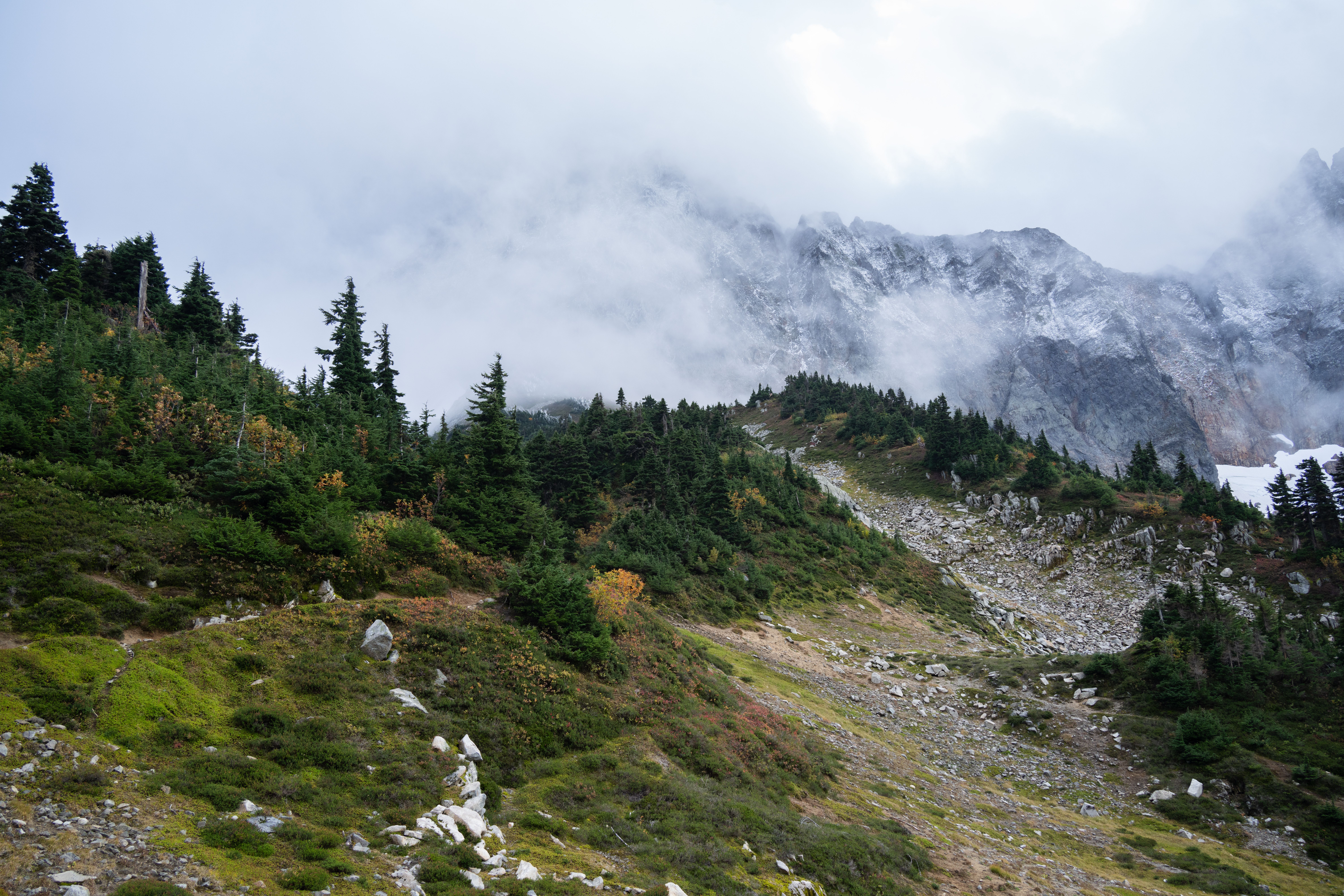
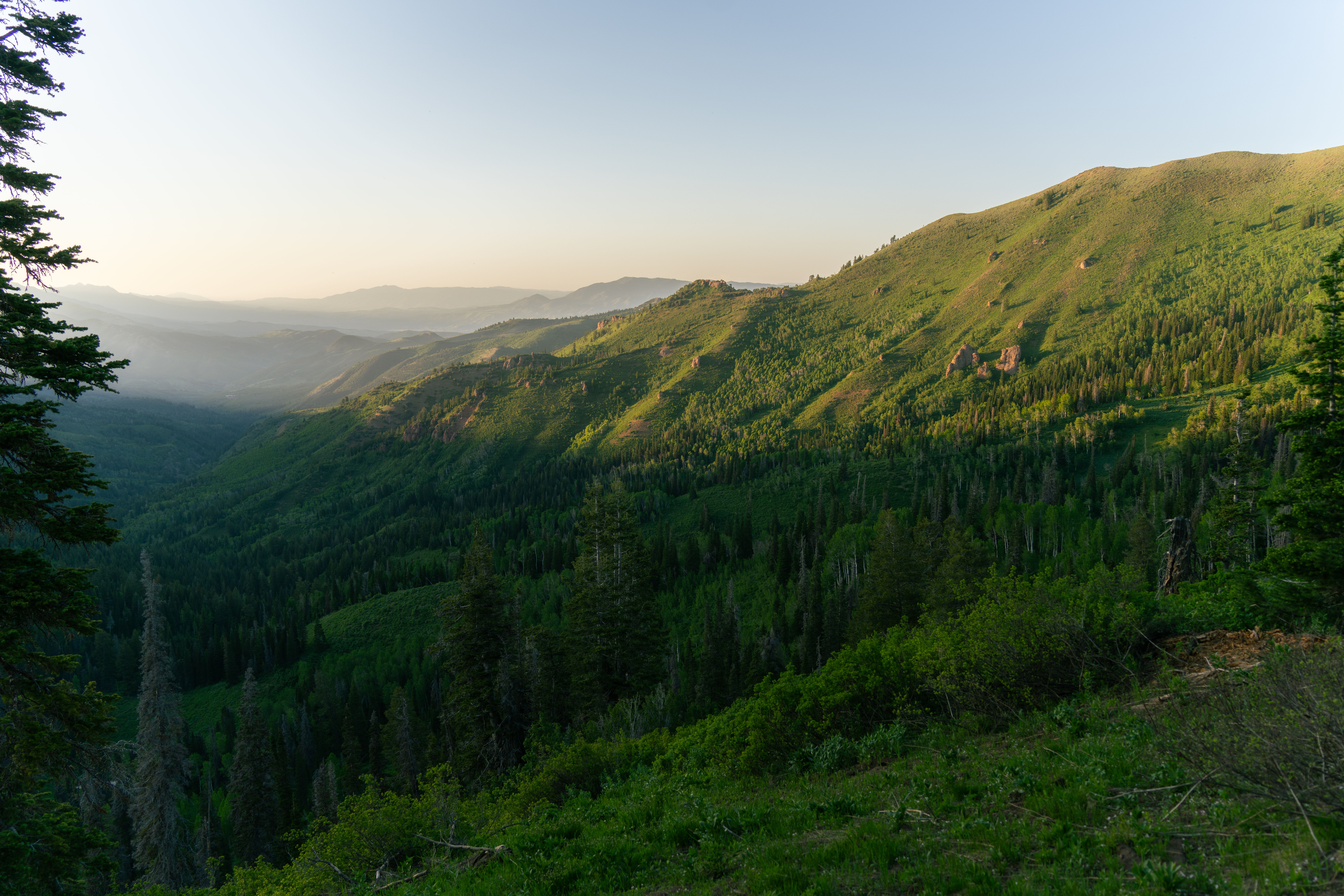
Research published in Environmental Science and Technology provides physiological evidence for why nature works. Viewing nature scenes positively affects recovery of autonomic function following acute mental stress. For someone in early recovery, whose nervous system is essentially running hot all the time, this isn't a nice to have. It's a mechanism.
| Intervention Type | Evidence Quality | Primary Mechanism | Accessibility |
|---|---|---|---|
| Medication Assisted Treatment | Strong (RCTs) | Opioid receptor modulation | Requires prescriber |
| Nature Based Interventions | Moderate to Strong (85% positive) | Autonomic regulation, stress reduction | Self directed |
| Peer Support Programs | Moderate (growing) | Social identity, recovery capital | Community based |
| Traditional 12 Step | Moderate | Social support, structured program | Widely available |
None of this means you shouldn't pursue medical treatment if you can access it. Buprenorphine works. Naltrexone works. The mortality data is clear. But the research also establishes that when those doors stay closed, you're not left with nothing. You're left with approaches that have their own evidence base.
Building Recovery Capital When the System Won't
Recovery capital is a term that sounds academic until you realize it's just describing what actually keeps people sober. Research by Laudet and White found that recovery capital, including social support, community involvement, and meaningful activity, predicts sustained recovery better than treatment variables alone.
Read that again. The community you build matters more than the treatment program you attended.
Studies on social identity and recovery show that community belonging functions as an active mechanism in staying sober. It's not just about having people around. It's about having people who share an identity, who are going the same direction, who show up even when showing up is hard.
This is where organizations like Sober Outdoors fit. Not as a replacement for medical treatment, but as the infrastructure that builds recovery capital whether or not you ever get a prescription. A local chapter offers what a doctor's office can't: consistent presence, shared purpose, and the kind of accountability that comes from lacing up shoes together at 6am.
"This is the part nobody tells you, " building recovery capital is not a backup plan. It's the foundation that makes everything else work.
There's a parking lot in Colorado Springs where I used to sit in my car after AA meetings, engine running, trying to decide if I was going to stay sober or not. The meetings helped, but what finally tipped the scale was a guy named Marcus who kept showing up to run with me on Saturday mornings. He didn't lecture. He didn't fix. He just kept showing up. That's peer support. That's recovery capital. That's what the research is measuring when it finds that community improves outcomes.
If you're reading this because a doctor wouldn't help you, I want you to know: you can start building recovery capital today. You don't need a prescription. You don't need permission. You need a pair of shoes and a community willing to show up.
What You Can Do Right Now
I'm not going to pretend the medical system's failure isn't a crisis. It is. People are dying because doctors won't prescribe medications that work. That reality demands advocacy, policy change, and accountability.
But you can't wait for the system to change before you start building your own recovery. Here's what the research supports:
Find peer support. Whether that's Sober Outdoors, a 12 step program, or an informal running group, prioritize community. The evidence for social identity as a recovery mechanism is strong.
Get outside. The nature based intervention research shows positive outcomes across 85 percent of studies. You don't need a wilderness expedition. Ten minutes viewing nature scenes can shift your autonomic response. Start there.
Build routine. Recovery capital includes meaningful activity. Find something you can show up to consistently. The consistency matters more than the activity itself.
Keep advocating. If you have the capacity, continue pushing for medical treatment. Ask your doctor directly about buprenorphine or naltrexone. Document refusals. The system needs to feel the pressure even as you build alternatives.
Frequently Asked Questions
Why do so many doctors avoid treating addiction patients?
Research documents persistent stigma among healthcare professionals. A systematic review found that clinicians hold negative attitudes toward patients with substance use disorders, leading to avoidance behaviors and suboptimal care. NPR's 2026 investigation found that a third of nurses and one in five doctors still view addiction as a moral issue rather than a treatable disease.
What medications are used to treat opioid or alcohol use disorder?
Buprenorphine and methadone are the primary medications for opioid use disorder. Naltrexone is used for both opioid and alcohol use disorder. Research shows buprenorphine treatment is associated with a 62 percent lower risk of overdose death. Despite their effectiveness, these medications remain underprescribed.
Can nature or outdoor activity actually help with addiction recovery?
Yes. A 2024 systematic review found that 85 percent of studies on nature based interventions for drug dependence showed positive outcomes. Physiological research shows nature exposure supports autonomic recovery from stress, which is particularly relevant for people whose nervous systems are dysregulated in early sobriety.
What is recovery capital?
Recovery capital refers to the internal and external resources that support sustained recovery. This includes social support, community involvement, housing stability, employment, and meaningful activity. Research shows recovery capital predicts long term sobriety better than treatment program variables.
What should I do if my doctor won't treat my addiction?
Document the refusal and consider seeking a second opinion. Simultaneously, build recovery capital through peer support, community connection, and nature based activity. Organizations like Sober Outdoors offer structured community without requiring medical gatekeeping. The evidence supports these approaches as legitimate components of a recovery plan.
Further Watching
The data on stigma is damning. The data on what works outside a clinic is real too. You don't have to wait for the system to catch up to start building the parts of recovery that are already proven to help. Jean Descamps deserved better from the medical system. So did you. But your recovery doesn't have to depend on a door that keeps closing. Find a chapter near you. Lace up your shoes. Show up, even before you feel ready. The community is the treatment. The trail is the prescription you can write for yourself.
, Eli Strand